

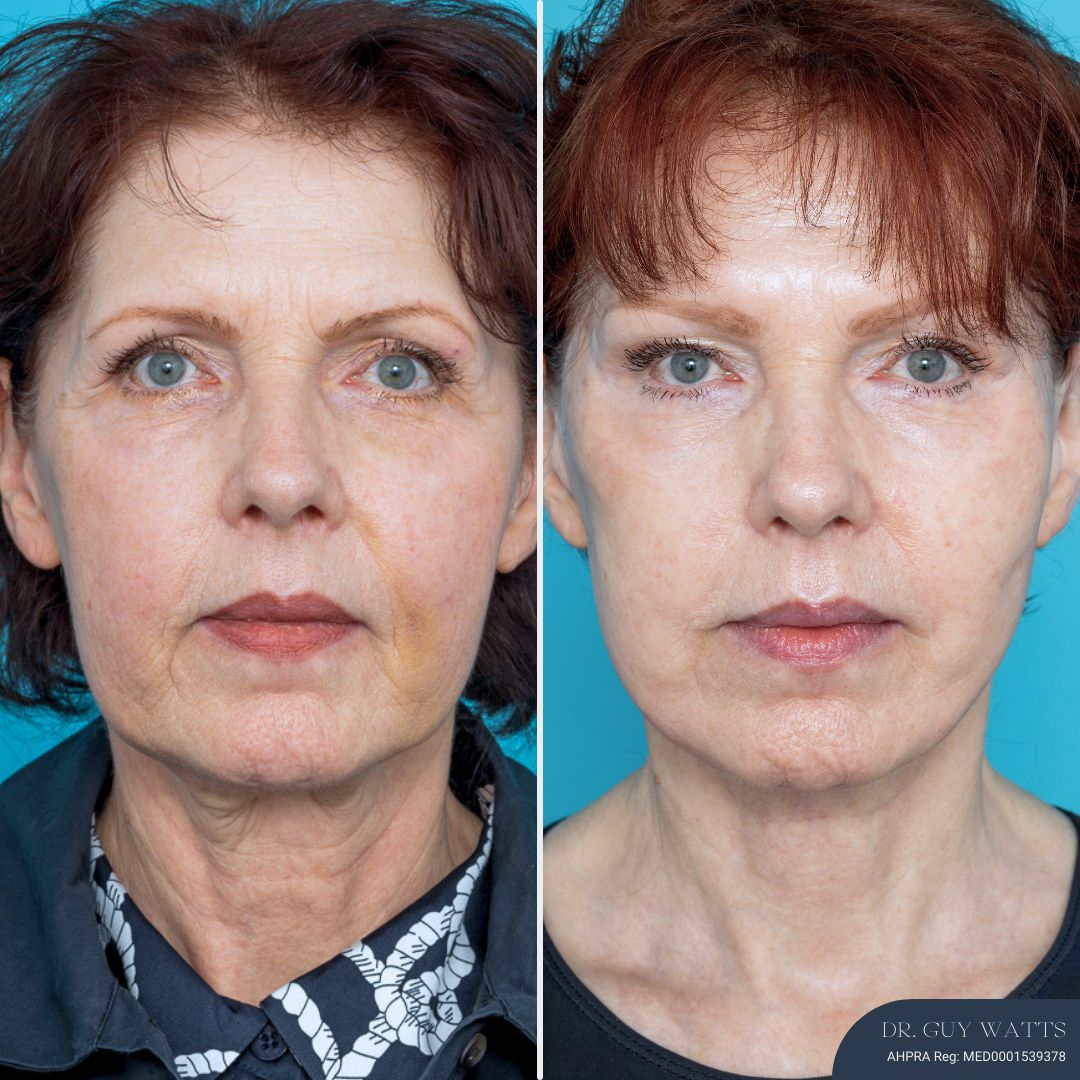
10 Jun Facelift Longevity: How Long Results Last And What Influences Them
For many people considering facial aesthetic surgery, a common and important question arises: how long will the results last?
A face lift (Rhytidectomy) is a procedure designed to address age-related changes in the lower face and neck. While the procedure does not stop the natural process of ageing, it adjusts the position of deeper facial structures to support the appearance. It is not about transformation or reinvention. Instead, it involves thoughtful surgical techniques that respect each person’s natural features.
Understanding how long a face lift typically lasts, and what contributes to that timeframe, is a key part of the decision-making process. Patients in Perth and surrounding areas often seek accurate, patient-focused information that helps them prepare for surgery thoughtfully and considerately.
Dr Guy Watts is a Specialist Plastic & Reconstructive Surgeon in Perth. With a focused practice in facial aesthetic surgery, Dr Watts combines clinical experience, anatomical understanding and individualised planning to guide patients through their surgical journey. This article explores how long face lift outcomes may last and the many factors that influence longevity.
Take our quiz, and find out if you are ready for surgery
What A Face Lift Can Address
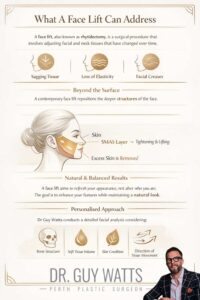
A face lift surgery, also known as rhytidectomy, is a surgical procedure that involves adjusting facial and neck tissues that have changed over time. These changes may include a shift in soft tissue position, reductions in skin tone or elasticity, and the development of facial creases.
Rather than focusing on surface tension or skin alone, a contemporary face lift involves the deeper structures of the face. During the procedure, Dr Watts repositions the superficial musculoaponeurotic system (SMAS), a layer of connective tissue beneath the skin that provides structural support to the face. This repositioning is often accompanied by the removal of excess skin to avoid surface tension and to promote a more stable and considered outcome.
It is important to note that a face lift is not about altering identity or creating a dramatic difference. The aim is to support each person’s individual features by addressing the visible effects of ageing in a way that looks natural and balanced. Most patients describe their result as a refreshed or rested version of themselves.
During consultations at his Perth clinic, Dr Guy Watts conducts a detailed facial analysis to guide surgical planning. This includes examining bone structure, soft tissue volume, skin condition and the direction of tissue movement. These factors are considered together to develop a plan that supports proportional, stable outcomes.
How Long Do Face Lift Results Typically Last
The outcomes of a face lift are typically supported for around 10 to 15 years, depending on the person’s individual anatomy, tissue condition, and approach to post-operative care.
It is important to understand that a face lift does not halt the process of ageing. The face will continue to change over time, just as it would without surgery. However, the starting point shifts. In the years following surgery, many patients appear refreshed or supported compared to how they might have appeared without the procedure.
Longevity is highly individual. Some patients feel they maintain their result for well over a decade. Others may observe subtle changes earlier or choose to pursue additional procedures down the track. There is no right or wrong outcome – rather, it’s about aligning expectations with biological reality and understanding the natural progression of ageing.
The planning and surgical method used by Dr Watts is designed to promote gradual, stable changes that evolve naturally with time. This thoughtful approach supports longer-lasting outcomes and realistic patient understanding.
DOWNLOAD DR GUY WATTS’ FACE AND NECK LIFT SURGERY GUIDE
What Influences The Longevity Of Face Lift Results
Many different factors influence how long the outcome of a face lift is maintained. These range from inherent tissue properties and patient age to lifestyle habits and environmental exposure. Understanding these influences can help patients make informed decisions about surgery and long-term care.
✓ Age And Skin Characteristics
The age at which a person undergoes a face lift plays a role in the longevity of the result. People in their 40s and early 50s often experience longer-lasting outcomes due to stronger skin structure and better collagen support. These individuals tend to heal efficiently and benefit from early intervention, where tissue descent is still relatively moderate.
Patients in their 60s or 70s can also achieve meaningful results. However, the degree of change may be more pronounced, and skin structure may require a modified approach. Dr Watts assesses each patient individually to determine the most appropriate surgical plan based on their skin quality, facial volume and personal preferences.
✓ Genetic And Biological Influences
Each person’s skin and tissue properties are influenced by their genetic background. Some people naturally produce more collagen and maintain facial volume longer. Others experience tissue thinning or redistribution earlier in life.
Family traits such as skin thickness, fat distribution, or jawline definition can all affect how facial structures age. These are carefully considered during your consultation with Dr Watts, who uses a detailed medical history and physical assessment to guide the planning process.
✓ Sun Exposure And Environmental Stressors
Sun exposure is one of the most significant contributors to visible skin ageing. Ultraviolet radiation breaks down collagen and elastin and accelerates the development of fine lines and pigment changes. In a location such as Perth, where the UV index remains high throughout much of the year, sun exposure is a particularly relevant factor.
Protecting the skin with daily sunscreen, avoiding direct exposure during peak hours and wearing wide-brimmed hats can all help support skin structure over time. These practices are particularly important in the years following surgery, when the skin has undergone adjustments and is settling into its new position.
Environmental stressors, such as air pollution and exposure to irritants, can also affect the skin’s barrier function and contribute to oxidative stress. While these influences may be less visible in the short term, they accumulate over time and may impact skin integrity and surgical results in the long term.
✓ Lifestyle Habits
Several everyday habits contribute to facial ageing and, in turn, influence how long face lift outcomes are maintained.
✓ Smoking And Nicotine Exposure
Smoking compromises blood flow to the skin, delays healing and affects the skin’s ability to maintain its structure. It also reduces the skin’s access to oxygen and impairs collagen synthesis. These effects can influence both the short-term recovery process and the long-term appearance of surgical outcomes.
Dr Guy Watts advises all patients to stop smoking in the weeks leading up to and following surgery. In some cases, a longer period of cessation may be recommended to help support healing and long-term skin health.
✓ Nutrition And General Health
A balanced, nutrient-rich diet supports cellular repair and collagen production. Nutrients such as vitamin C, zinc and essential fatty acids play a role in tissue healing. Maintaining adequate hydration is also essential for skin function and elasticity.
General health influences surgical outcomes more than many people realise. Conditions such as diabetes, poor circulation or chronic inflammation can all affect tissue healing. These are assessed carefully during preoperative planning.
✓ Weight Stability
Large or rapid fluctuations in weight can change the distribution of fat in the face and neck. This may alter the way tissues behave after a face lift and can potentially influence the longevity of the result. While minor variations are unlikely to have a noticeable impact, significant changes in body weight may contribute to changes in facial structure over time.
✓ Sleep And Stress Regulation
Sleep supports the body’s natural healing processes and helps maintain hormone balance. High or chronic stress levels may affect the skin through hormonal changes or increased tension in facial muscles. Developing supportive sleep routines and stress management strategies can indirectly support facial tissues in the years following surgery.
Surgical Method And Individualisation
The surgical method used for a face lift plays a vital role in how the result evolves over time. There are several different approaches to face lift surgery, and the technique selected depends on a patient’s anatomy, goals, and degree of facial tissue change.
Rather than relying on surface skin tension, modern face lifts often involve adjusting the deeper SMAS layer. This structural layer is repositioned to provide underlying support, which allows the skin to drape naturally and with reduced tension. Supporting the deeper tissues in this way typically produces more gradual and stable outcomes over the long term.
Dr Guy Watts applies a meticulous planning process to every face lift procedure. This includes evaluating the patient’s facial structure, discussing expected outcomes, and tailoring the surgical plan to reflect personal needs. Every face is different, and the surgical method must reflect that individuality.
Face Lift Surgery Before and After Photos
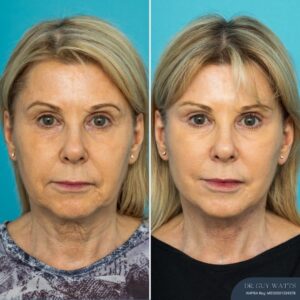

Photo disclaimer:
Each surgical procedure produces unique outcomes influenced by factors such as body composition, skin tone, laxity, age, and genetics. The before-and-after photographs displayed are of actual patients and are provided for informational purposes only.
Recovery And Aftercare Considerations
Recovery is a key part of the surgical journey. The way your body heals can influence how the tissues settle and how long the changes are supported.
Dr Guy Watts provides detailed post-operative instructions for every patient. These may include:
- Guidance on wound care and dressings
- Instructions for sleeping positions and activity modifications
- Timelines for returning to work or social activities
- Ongoing skincare advice
- Follow-up appointments to assess healing
Protecting the face from direct pressure, sun exposure and strenuous activity in the early weeks is essential. Most patients experience a gradual return to normal activities, and this progressive recovery helps promote steady, uncomplicated healing.
Facelift recovery varies from person to person. While some people feel ready to return to work within a few weeks, others benefit from a more extended period of rest. Dr Watts encourages open communication during recovery and provides personalised support tailored to each person’s experience.
The Ongoing Ageing Process
While a face lift adjusts facial tissue position and supports a refreshed appearance, it does not prevent the face from continuing to change over time.
Ageing involves a number of ongoing biological processes. Collagen continues to decline with age, facial fat compartments may shift, and bone resorption can subtly change the framework of the face. These factors will continue to shape appearance even after surgery.
That said, a face lift alters the starting point of this progression. People generally continue to look more refreshed compared to how they might have appeared without the procedure. The face ages from a different reference point, often in a way that feels more consistent with how the individual feels internally.
Supporting Your Results Over Time
There are several ways to support face lift results in the years after surgery. These include:
- Using evidence-based skincare products to support skin turnover, hydration and collagen health
- Wearing sunscreen daily and avoiding unnecessary sun exposure
- Maintaining a stable weight
- Staying well hydrated and nourished
- Managing stress and prioritising rest
- Returning for regular reviews with Dr Watts to monitor changes and plan future care if needed
In some cases, patients may also explore non-surgical options such as laser treatments or skin therapies to support skin appearance. These treatments do not replace surgery but may contribute to the overall management of skin condition over time.
Future Procedures: What To Expect
While many patients are satisfied with a single face lift for many years, others choose to explore additional procedures as they continue to age. This may involve a secondary face lift after 10 to 15 years, or a complementary procedure such as eyelid surgery or brow surgery.
There is no requirement to undergo further surgery. Some patients choose to adjust their appearance again later in life, while others feel that their original procedure continues to reflect their goals. The choice is personal and best made in discussion with a qualified surgeon who understands your history and your expectations.
Dr Watts provides ongoing care and guidance for all patients and is available to discuss further treatment if and when the time feels right.

FAQs About Facelift Longevity And What Influences It
Facial Surgery In Perth: Local Insights
In Perth and across Western Australia, many people explore facial aesthetic procedures as part of a broader approach to personal care. Some consider surgery in their 40s or 50s, aiming to address early structural changes. Others wait until their 60s or beyond, choosing to adjust facial tissues that have shifted more noticeably with time.
Across all ages, the focus is on making considered, informed decisions rather than following trends. Patients often express a desire to look more in line with how they feel or to make subtle changes that support their sense of wellbeing. There is growing interest in thoughtful, tailored care that respects each person’s individuality.
Dr Guy Watts works with people across Perth who are seeking surgical advice grounded in clinical experience and honest communication. His approach is based on personalisation, education and long-term support.
Thinking About A Face Lift?
If you are considering a face lift, and you want to learn more about the procedure, what to expect, and how long results may last, arranging a consultation is the best next step.
Dr Guy Watts, Specialist Plastic & Reconstructive Surgeon in Perth, offers detailed assessments and open conversations to help you explore your options in an informed, supportive setting. Every person is different, and every decision deserves time, clarity and guidance.
You are welcome to contact the clinic to arrange an appointment and begin a conversation about what is right for you.
Further Reading
- Read more about Deep Plane Facelift
- Read Dr Watts’ Blogs on A Surgeon’s Guide To Facial Ligaments: Why They Matter In Facelifts
- Read Dr Watts’ Blogs on Can A Face Lift Look Natural? Understanding Today’s Techniques For Facial Balance
- Read Dr Watts’ Blogs on How To Manage Face Lift Scars For Optimal Results
- Read Dr Watts’ Blogs on Recovery after Facelift Surgery
About Dr. Guy Watts – MED0001539378
FRACS (Plas) – Specialist Plastic Surgeon In Perth WA
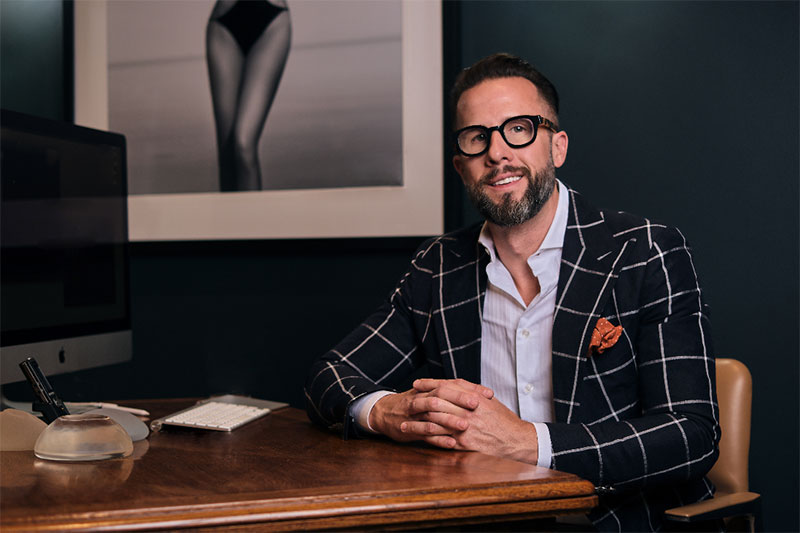
Dr. Guy Watts is a Specialist Plastic Surgeon (AHPRA MED0001539378) with an extensive career that spans across renowned plastic surgery clinics worldwide. His experience has been honed through invaluable experiences at esteemed establishments such as the New York Eye and Ear Infirmary and the renowned Pitanguy Clinic in Brazil.
Having collaborated with the foremost cosmetic plastic surgeons on a global scale, Dr. Watts has chosen to return to Perth after a 17-year journey of intensive training and invaluable professional experience to bring the latest practices and technology in cosmetic plastic surgery to his patients.
Dr. Watts is a Fellow of the Royal Australasian College of Surgeons (FRACS) and a Member of the Australian Society of Plastic Surgeons (ASPS), Australasian Society of Aesthetic Plastic Surgeons (ASAPS) and the International Society of Aesthetic Plastic Surgeons (ISAPS).
Read about the potential Risks and Complications of Surgery
Read the Patient Information and Resources
About CLINISPA
Clinispa is Dr Watts’ bespoke medical clinic performing Cosmetic Aesthetic treatments. At Clinispa, we offer advanced clinical treatments in a luxurious and calming environment, tailored to support your skin’s health and appearance.
Clinispa aesthetic services are performed by Dr Guy Watts’ nursing professionals, who have a passion for and solid understanding of facial aesthetics.
All Clinispa clients are considered individually, with a personalised treatment plan consisting of advanced scientific approaches to cosmetic aesthetics. We incorporate innovative technologies in conjunction with superiorly formulated skin care.
For more information about the full range of Clinispa Aesthetic of Cosmetic Treatments visit the Clinispa website
Sorry, the comment form is closed at this time.