This website contains imagery which is only suitable for audiences 18+.


Deep Neck Lift Surgery Perth with Dr Guy Watts
A deep plane facelift is an advanced surgical technique that lifts and repositions the deeper muscle and fat layers (the SMAS) as a single unit, rather than just pulling the skin, to create a more natural and longer-lasting facial rejuvenation, and may be considered alongside neck lift surgery in appropriate cases.
Deep Neck Lift Surgery Perth
Deep neck lift surgery is a specialised procedure performed to address fullness or structural concerns in the neck and under the jawline. For patients in Perth who feel that the appearance of their neck does not reflect their overall health or facial structure, this operation may offer a tailored surgical solution. Dr Guy Watts, Specialist Plastic and Reconstructive Surgeon, performs deep neck lift surgery with a focus on precise anatomical adjustment, tailored to each individual’s facial structure and surgical goals. The procedure targets deeper layers of the neck, including fat, muscle and glands, which are often the underlying cause of neck heaviness or a poorly defined jawline.
This page provides detailed information about deep neck lift surgery, from how the procedure is performed to post-operative care and recovery. Every step is designed to support informed patient decisions that prioritise safety, realistic expectations and evidence-based outcomes.
Download Dr Guy Watts’ Face and Neck Lift Surgery Guide

Ultimate Guide To Face and Neck Lift
Understanding Deep Neck Lift Surgery
The deep neck lift is a surgical procedure that focuses on correcting structural features beneath the surface of the neck that may contribute to a heavier or less defined appearance. Unlike more superficial procedures that address only skin laxity or fat deposits, the deep neck lift involves repositioning and modifying the deeper elements of the neck. This may include the platysma muscle, subplatysmal fat, and, in some cases, the submandibular glands.
This approach allows Dr Guy Watts to address the anatomical causes of neck heaviness, particularly in patients who may have a genetically fuller neck or who have not achieved the desired outcome from other neck procedures or facial surgery. By working within the deep tissue layers, the surgery aims to produce a defined cervicomental angle (the angle beneath the chin) and a more harmonious transition from the face to the neck.
Deep neck lift surgery is typically performed under general anaesthesia in a licensed hospital setting. It may be undertaken as a standalone procedure or in combination with other facial surgeries, depending on each patient’s needs.
When Might Deep Neck Lift Surgery Be Considered?
This surgery may be considered when the primary concern is neck fullness, lack of definition in the jawline, or an obtuse cervicomental angle that is not due to ageing alone. While traditional neck lift procedures focus primarily on skin laxity and visible sagging, the deep neck lift is best suited for patients with deeper structural concerns.
Common reasons patients seek advice about deep neck lift surgery include:
- A neck that appears disproportionately full in comparison to the rest of the face
- A poorly defined jawline despite a healthy weight and lifestyle
- Minimal skin laxity but a persistent double chin or heavy neck area
- Limited improvement with non-surgical treatments
- Interest in refining the neck contour as part of an overall facial balance
It is important that patients considering this procedure are medically fit for surgery, have realistic expectations, and understand both the benefits and limitations of surgical treatment. Dr Watts conducts a comprehensive consultation and examination to determine suitability and develop an individualised surgical plan.


What Can Deep Neck Lift Surgery Help Address?
Deep neck lift surgery may help to improve several anatomical features that contribute to a less defined neck or jawline. While outcomes vary depending on individual anatomy, the procedure is designed to:
- Address definition under the chin and along the jawline
- Create a more acute cervicomental angle
- Remove or reduce deep fat deposits beneath the platysma muscle
- Adjust or reposition prominent submandibular glands when appropriate
- Tighten and support the platysma muscle to optimise structural contour
This surgical technique is particularly relevant for individuals whose concerns are not primarily caused by skin ageing but by underlying features present from a younger age. The aim is to create a more balanced facial contour that aligns with the patient’s goals without exaggerated or artificial results.
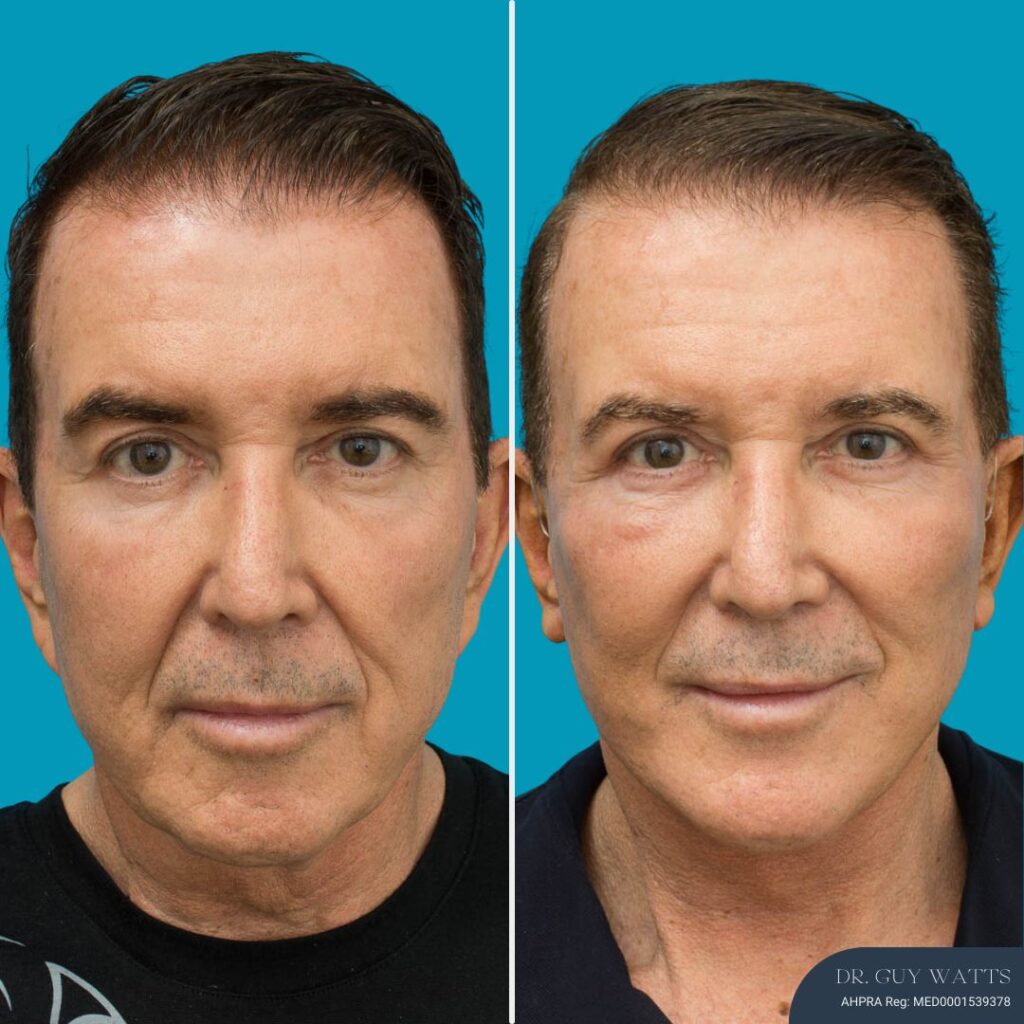
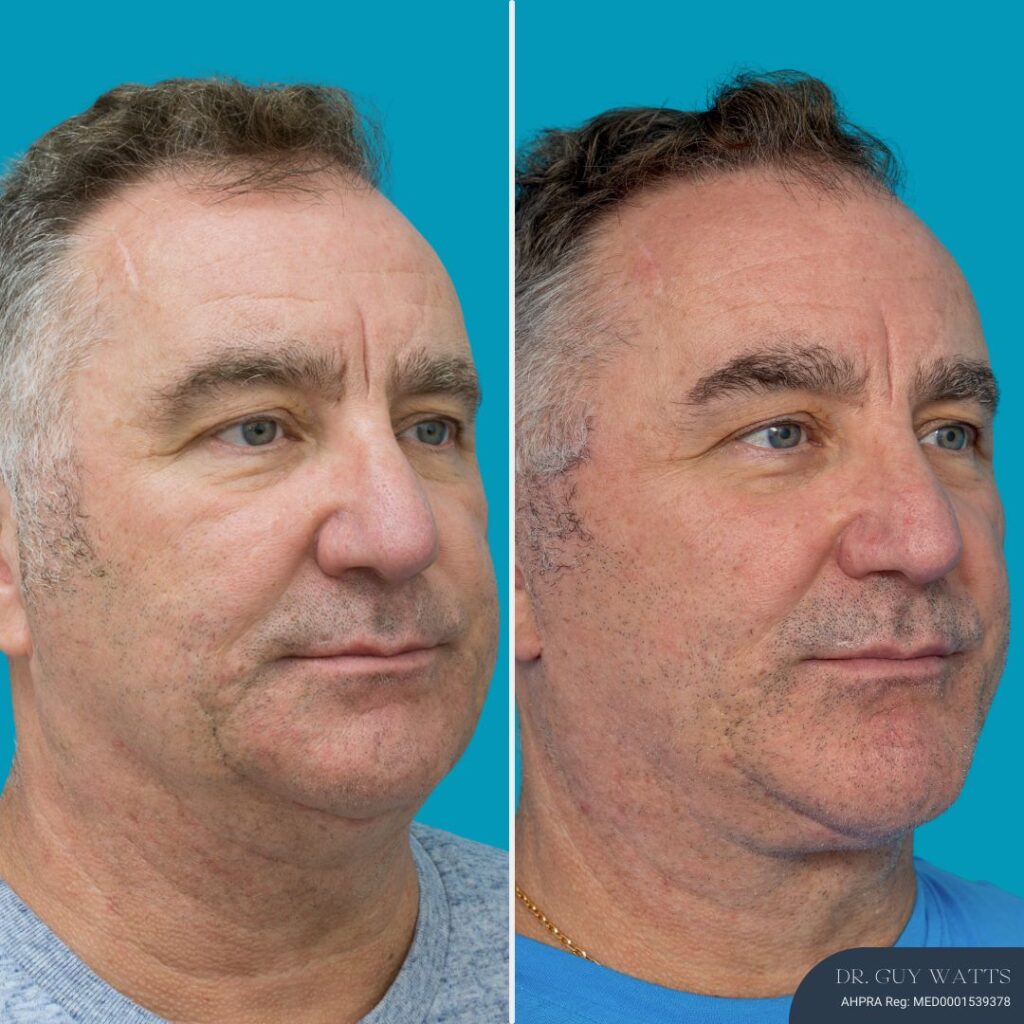
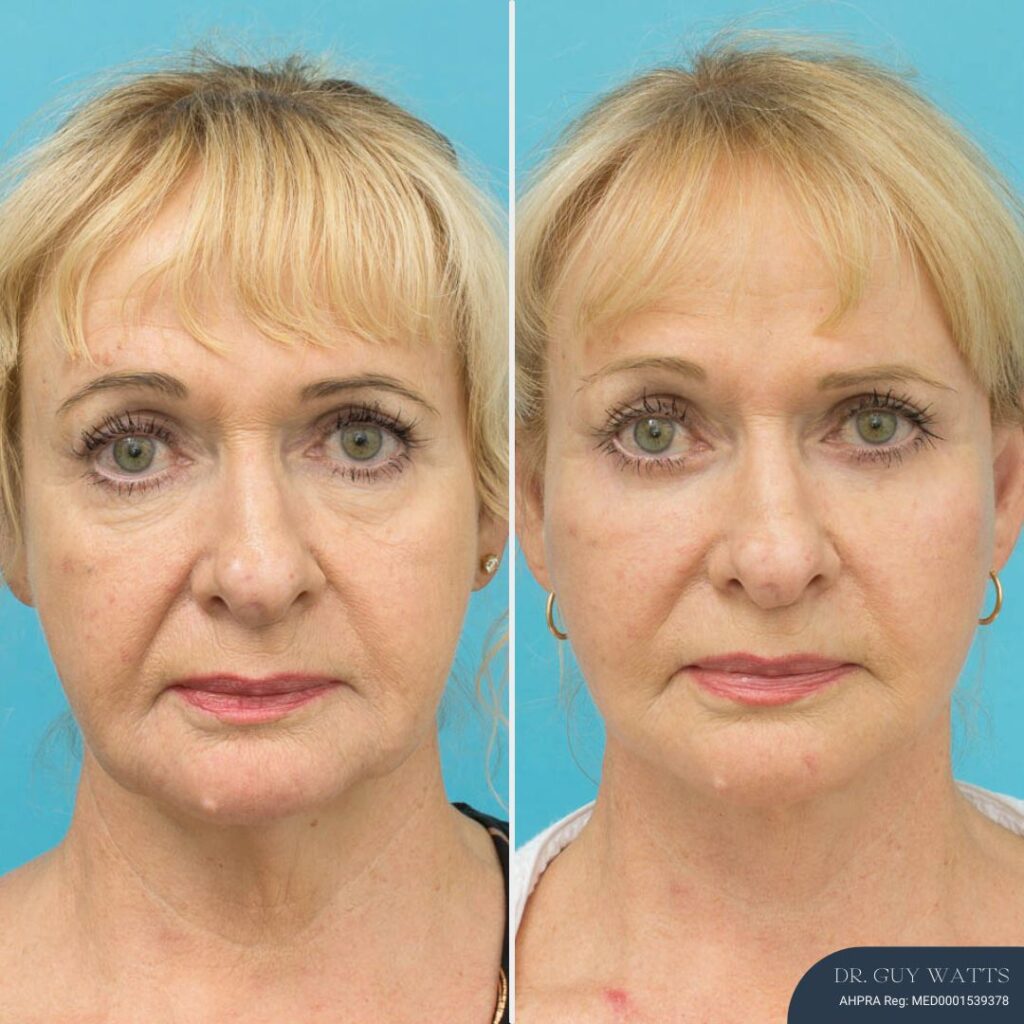
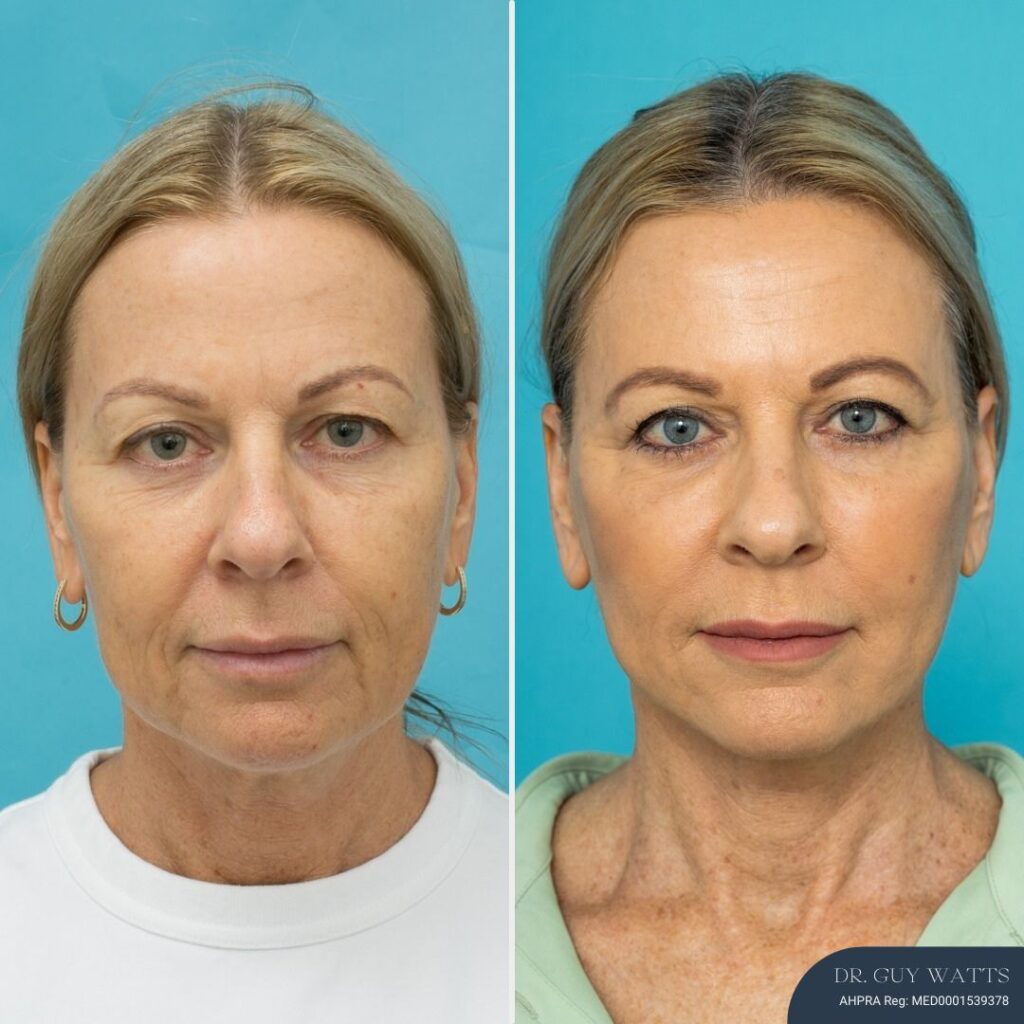
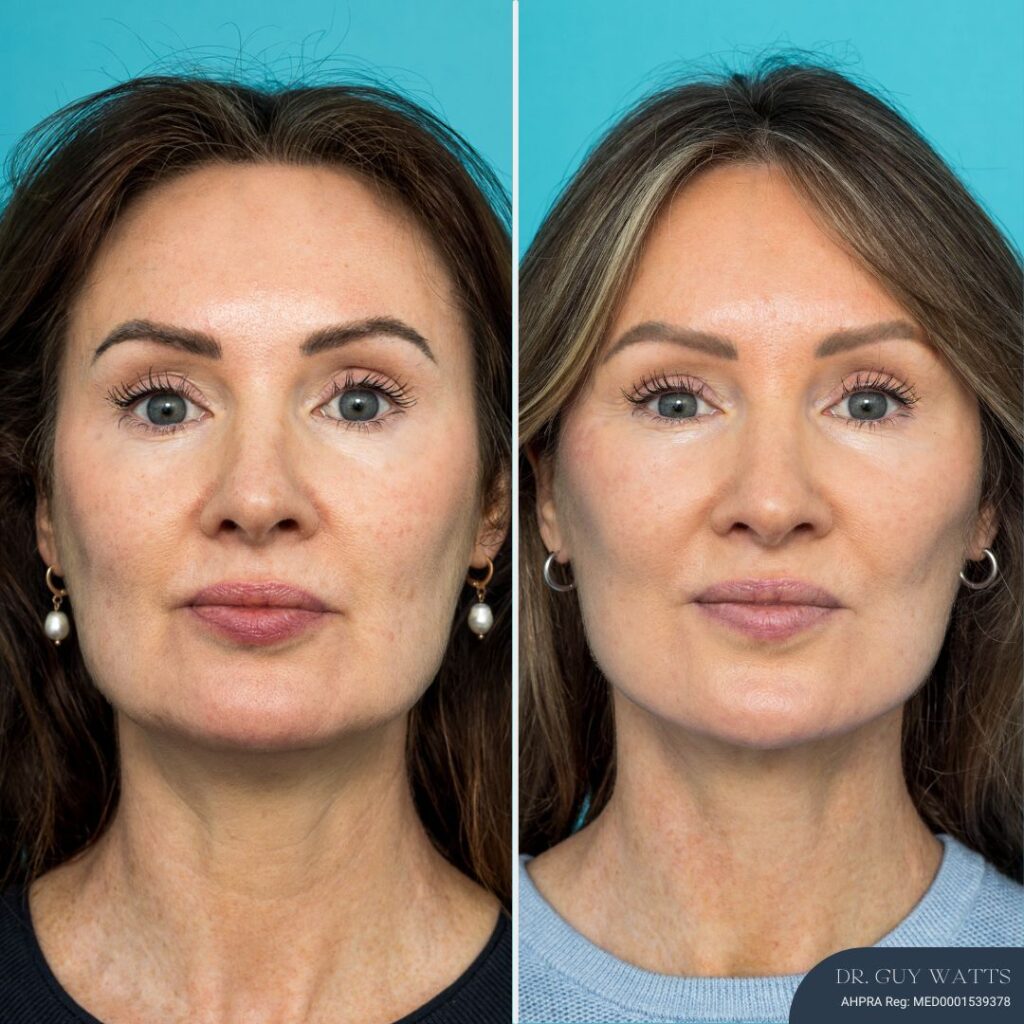
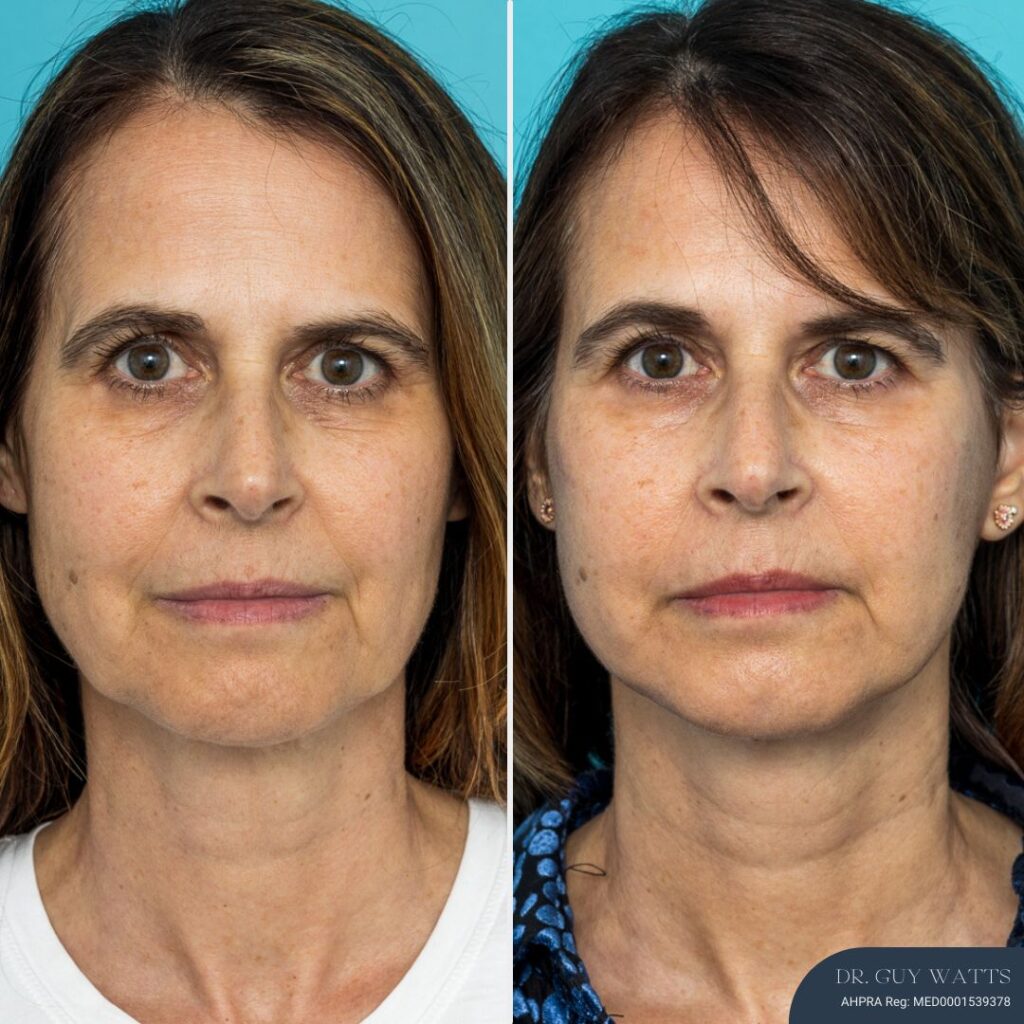
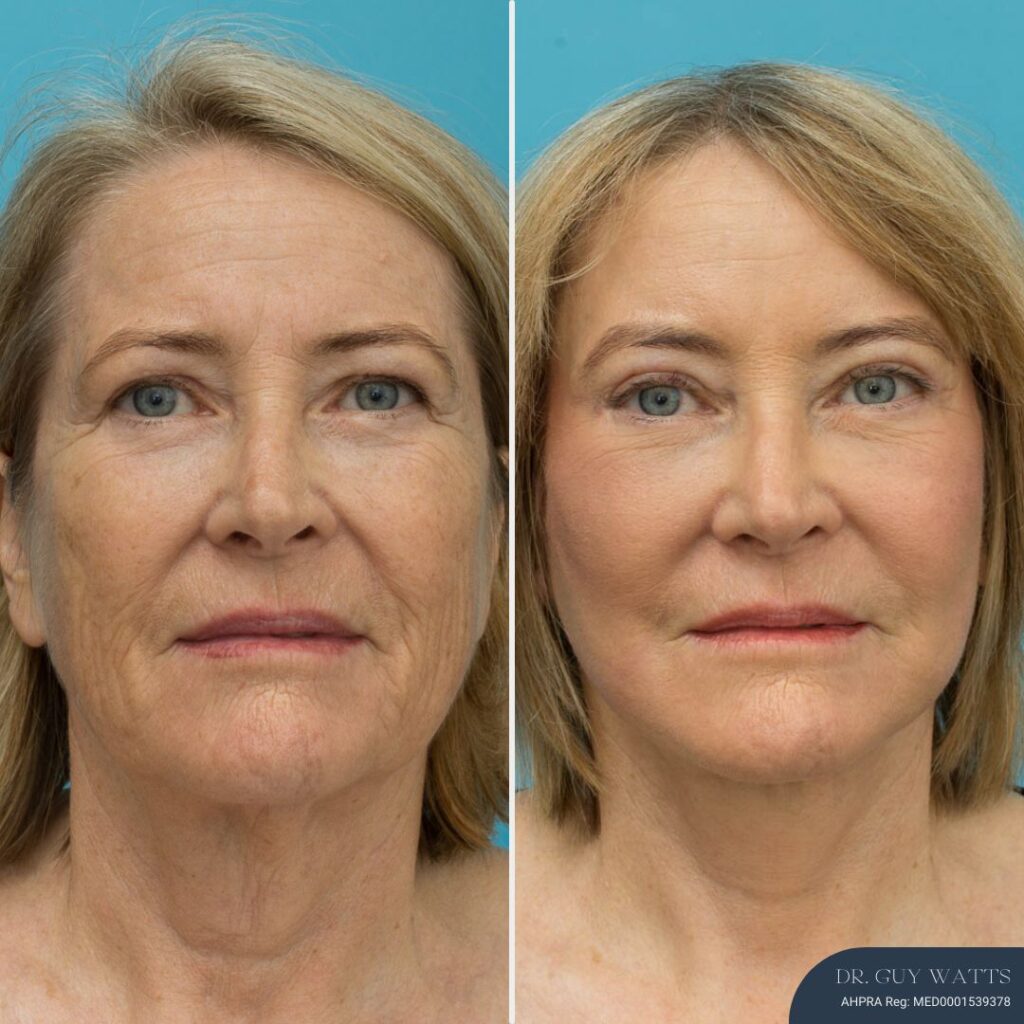
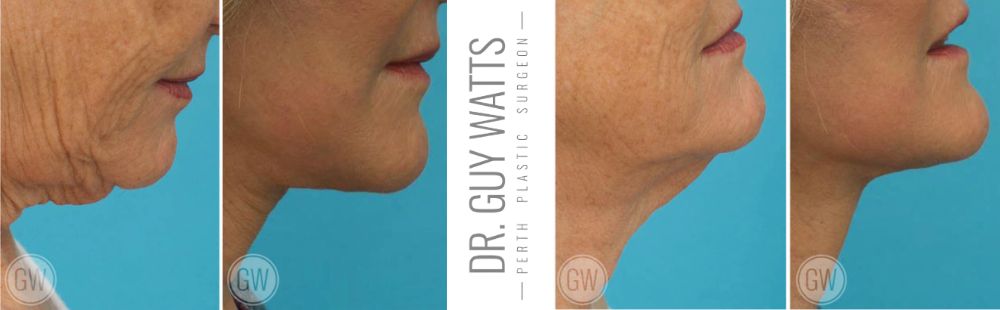
Clinical Results: Deep Neck Lift Surgical Images
Surgical images showing results from deep neck lift procedures performed by Dr Guy Watts are available for review during the consultation process. All photographs are shared in accordance with AHPRA advertising guidelines and patient consent.
These images can help patients understand the potential outcomes of surgery in cases that may be similar to their own. However, individual results vary based on anatomy, tissue characteristics, and surgical planning. Dr Watts emphasises that these images are for educational purposes only and should not be used as an expectation of specific outcomes.
What Happens During Deep Neck Lift Surgery?
Deep neck lift surgery is a technically involved operation requiring a detailed understanding of neck anatomy and extensive surgical precision. The procedure is usually performed under general anaesthesia in an accredited hospital.
During surgery, Dr Watts makes small, carefully placed incisions, typically behind the ears and sometimes beneath the chin, depending on the patient’s anatomy and surgical plan. These incisions allow access to the deeper structures of the neck while aiming to reduce visible surface disruption.
Once the underlying tissue is accessed, the procedure involves:
- Reducing or repositioning subplatysmal fat contributing to neck fullness
- Supporting and recontouring the platysma muscle to promote definition
- Addressing submandibular glands if they are prominent and it is appropriate to do so
- Smoothing and blending contours to deliver natural transitions between treated areas
The skin is then gently repositioned over the newly shaped neck structures and secured in place. Fine sutures are used to close the incisions, and a light dressing or supportive garment may be applied to encourage healing.
The procedure duration varies based on the complexity of the case and whether additional surgeries are performed. Patients are monitored post-operatively before being discharged with a comprehensive recovery plan.
Understanding the Potential Risks of Deep Neck Lift Surgery
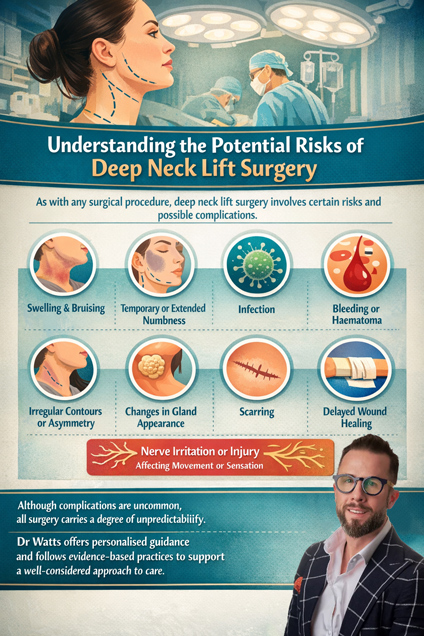
As with any surgical procedure, deep neck lift surgery involves certain risks and possible complications. These are discussed in detail during the consultation process to support informed consent.
Potential risks may include:
- Swelling and bruising
- Temporary or extended numbness
- Infection
- Bleeding or haematoma
- Irregular contours or asymmetry
- Changes in gland appearance or function
- Scarring
- Delayed wound healing
- Nerve irritation or injury, including those affecting movement or sensation
Although complications are uncommon, all surgery carries a degree of unpredictability. Dr Watts offers personalised guidance and follows evidence-based practices to support a well-considered approach to care.
Post-Surgical Recovery: What to Expect After Deep Neck Lift Surgery
After the procedure, it is common to experience swelling, tightness and bruising in the neck and jaw area. These effects typically settle over the weeks following surgery. Most patients choose to take approximately two weeks away from work or regular social interactions, depending on their individual recovery and comfort level.
Dr Watts provides clear post-operative instructions that may include:
- Use of cold compresses in the early days
- Wearing a soft compression garment as advised
- Keeping the head elevated while resting
- Avoiding physical exertion for at least two to four weeks
- Attending regular follow-up appointments
Discomfort is generally managed with oral medications. Many patients describe a sensation of tightness rather than pain. Sutures will either dissolve or be removed as appropriate to the technique used. Patients are advised to avoid smoking and reduce alcohol intake during recovery to help support healing.
Visible changes become noticeable as swelling decreases, with results continuing to refine over a period of three to six months.
Before and After Neck Lift Photos
Maintaining Results Over Time
While the improvements from deep neck lift surgery are long lasting, the natural ageing process will continue. Taking steps to maintain overall health, such as weight stability, a balanced diet, sun protection and avoiding smoking, can contribute to the longevity of the result.
Dr Watts encourages ongoing follow-up as needed and offers tailored advice on how to support skin quality and neck structure in the years after surgery. Some patients may choose to complement their results with other treatments at a later stage, based on how their facial features evolve over time.
Understanding the Fees for Deep Neck Lift Surgery
The total cost of deep neck lift surgery in Perth can vary based on several factors, including the complexity of the case, hospital and anaesthetic fees, and whether the procedure is combined with other surgeries. In accordance with AHPRA guidelines, exact pricing cannot be quoted on this page.
Dr Watts will provide a comprehensive, itemised estimate after a full in-person consultation. This approach ensures transparency and allows each patient to make an informed decision based on their personal surgical plan.
How to Prepare for Your Surgery with Dr Guy Watts
Proper preparation is an important part of any surgical journey. Dr Watts and his team offer tailored guidance to help patients prepare mentally, physically and practically.
Pre-operative preparation may involve:
- A complete health review and any required medical testing
- Adjusting or pausing certain medications as needed
- Stopping smoking at least six weeks before surgery
- Organising time off work and support during initial recovery
- Following fasting instructions and confirming transport arrangements
Patients are encouraged to ask questions and share any personal concerns during consultations. Open communication is key to developing a supportive and individualised care experience.
Dr Guy Watts performs deep neck lift surgery in Perth with a focus on anatomical detail and patient-centred care. His approach is grounded in surgical experience, evidence-based technique, and commitment to patient education.
Deep Neck Lift Surgery FAQs
Is a deep neck lift only for older patients?
Can a deep neck lift change the appearance of the chin or lower face?
Does neck posture affect the outcome of surgery?
Are submandibular glands always modified during this procedure?
Can weight changes impact results after a deep neck lift?
Is the deep neck lift suitable if I've had other facial procedures?
What does 'deep' refer to in a deep neck lift?
Will I have visible scars after surgery?
Can this procedure affect neck mobility?
Is it possible to address asymmetry with this procedure?
Medical References
Next Steps on Your Plastic Surgery Journey
PLEASE TAKE INTO CONSIDERATION
Any surgical or invasive procedure carries risks. Before proceeding, you should seek a second opinion from an appropriately qualified health practitioner.