This website contains imagery which is only suitable for audiences 18+.


Lower Eyelid Surgery Perth (Blepharoplasty) With Dr Guy Watts
Lower eyelid surgery, or lower blepharoplasty is a type of eyelid surgery that removes or repositions excess fat and skin to eliminate under-eye bags, puffiness, and wrinkles for a smoother, more rested appearance.
Lower Eyelid Surgery Perth
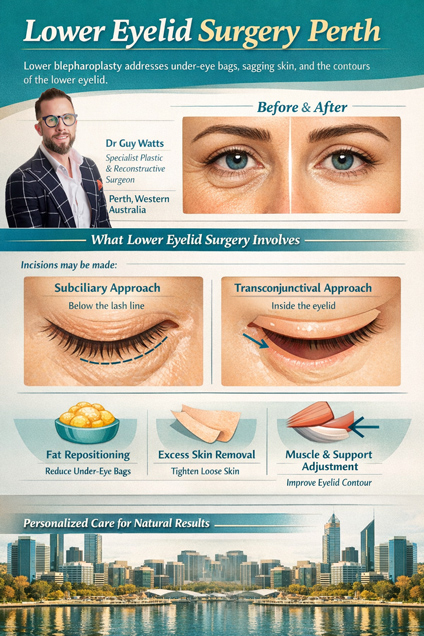
Lower eyelid surgery, also referred to as lower blepharoplasty, is a procedure that addresses specific anatomical changes in the area below the eyes. These changes may develop gradually over time and can include the prominence of underlying fat pads, skin laxity, or changes in tissue support.
The procedure involves modifying structures such as skin, muscle, and fat in the lower eyelid region. It is tailored to individual anatomy and is performed with the goal of supporting both appearance and function.
Dr Guy Watts is a Specialist Plastic and Reconstructive Surgeon based in Perth, Western Australia. He has a focused practice in eyelid and facial procedures, with experience managing functional and aesthetic concerns of the lower eyelid region. His approach aims to support natural proportions while preserving eyelid integrity and long-term health.
What Lower Eyelid Surgery Involves
Lower eyelid surgery involves access to the tissues beneath the eye through a small incision. Depending on the needs of the individual, this incision may be placed inside the eyelid (transconjunctival approach) or just below the lash line (subciliary approach).
The procedure may involve:
- Adjusting or redistributing fat that contributes to fullness in the lower eyelid region
- Carefully removing a conservative amount of skin if there is noticeable skin excess
- Modifying muscle or ligament structures to support eyelid position
The aim is to promote a balanced relationship between the lower eyelid and the surrounding facial structures. Each surgical plan is based on a detailed assessment of the patient’s anatomy, functional needs, and treatment goals. Dr Watts draws on his specialist training and clinical experience to determine the most appropriate approach for each individual.
Download Dr Guy Watts’ Blepharoplasty Guide
Ultimate Guide To Blepharoplasty
Who May Consider This Procedure
Lower eyelid surgery may be considered by individuals who have noted anatomical features such as:
- Persistent fullness in the lower eyelid area that may be related to fat pads
- A noticeable fold or excess of lower eyelid skin
- Asymmetry between the eyelids
- Changes in eyelid support that may affect function or appearance
These features may become more prominent over time and may vary significantly between individuals. Some patients explore surgical consultation when these anatomical changes affect their comfort, eyelid function, or how they perceive certain aspects of their appearance.
During a consultation, Dr Watts will assess whether the procedure is appropriate, taking into account eyelid tone, skin characteristics, tear film stability and overall facial structure.
What to Expect from Surgery
Lower eyelid surgery is intended to modify the shape and support of the lower eyelid region in a way that aligns with each person’s facial proportions. While individual experiences vary, outcomes may include:
- A less prominent appearance of underlying fat pads
- Reduced skin redundancy in the lower eyelid area, where present
- A change in the transitional area between the lower eyelid and cheek
- Improved support of the eyelid margin if laxity is addressed
It is important to understand that results differ based on factors such as tissue quality, underlying anatomy, and the surgical plan. This procedure does not aim to address issues such as pigmentation, fine surface lines, or changes in skin tone. Other treatment options may be more suitable for those concerns.
Dr Watts will provide information about what may be realistically achievable and will support a shared decision-making process.

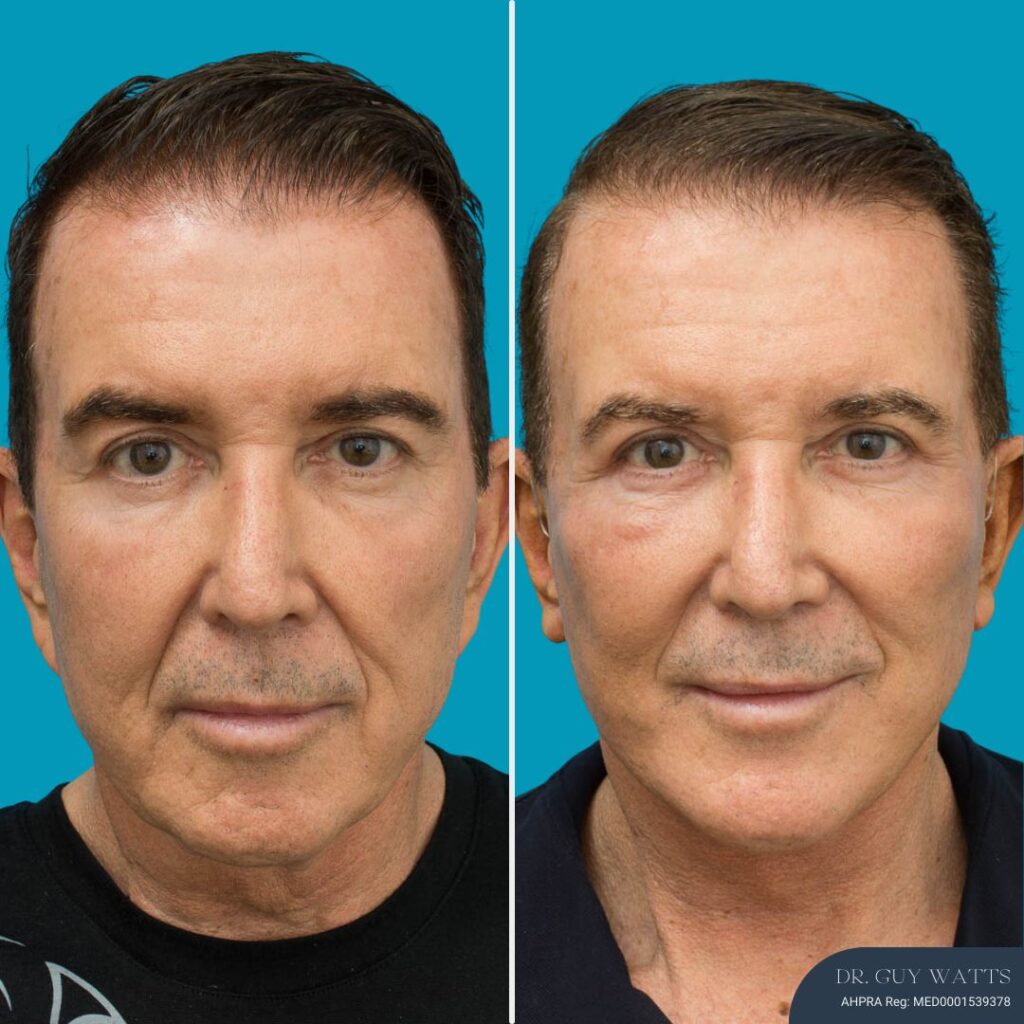
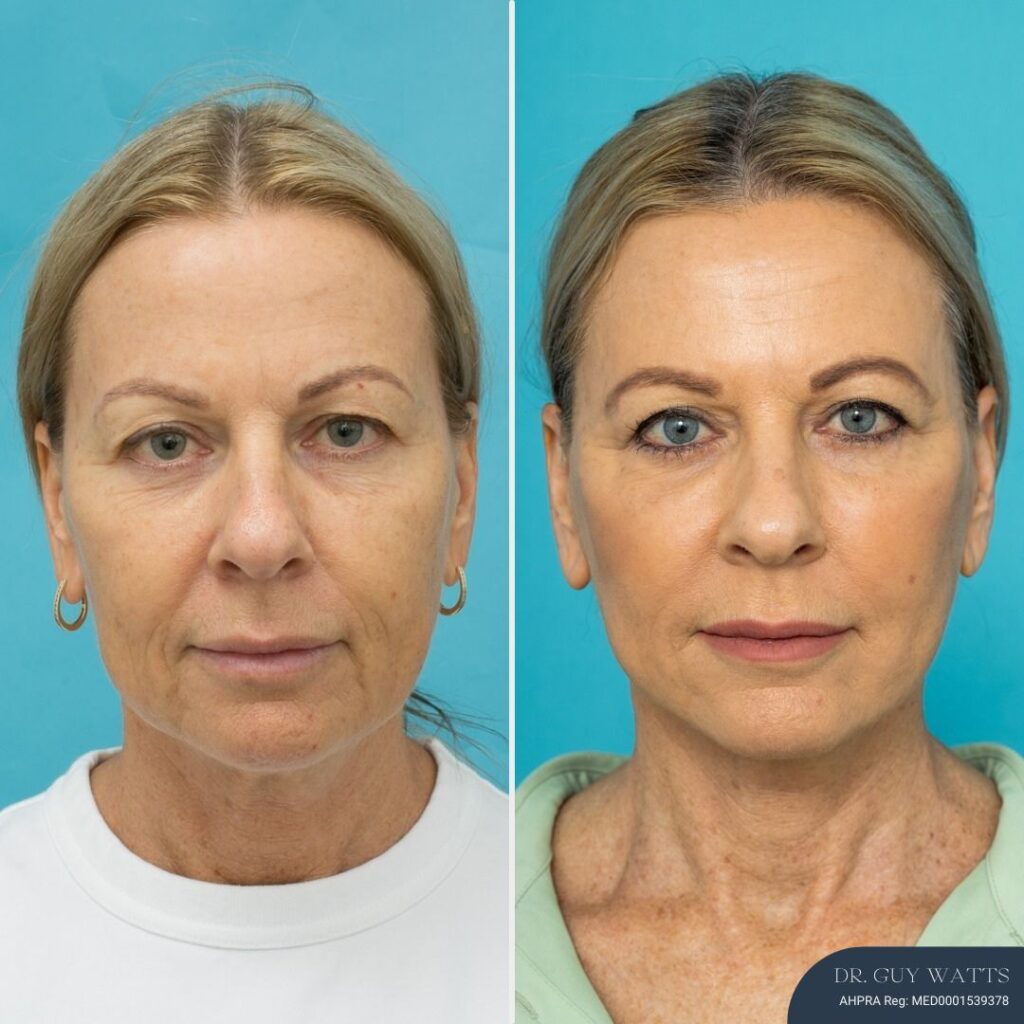

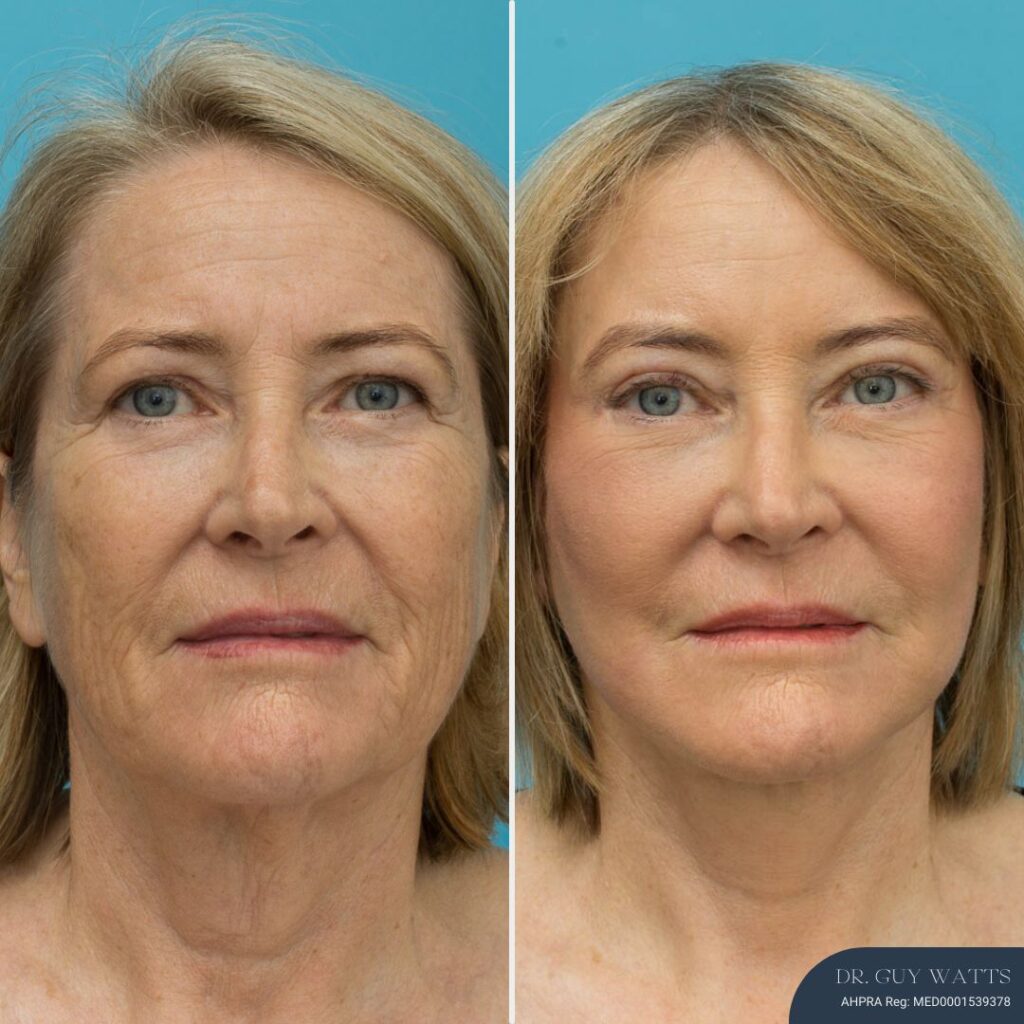
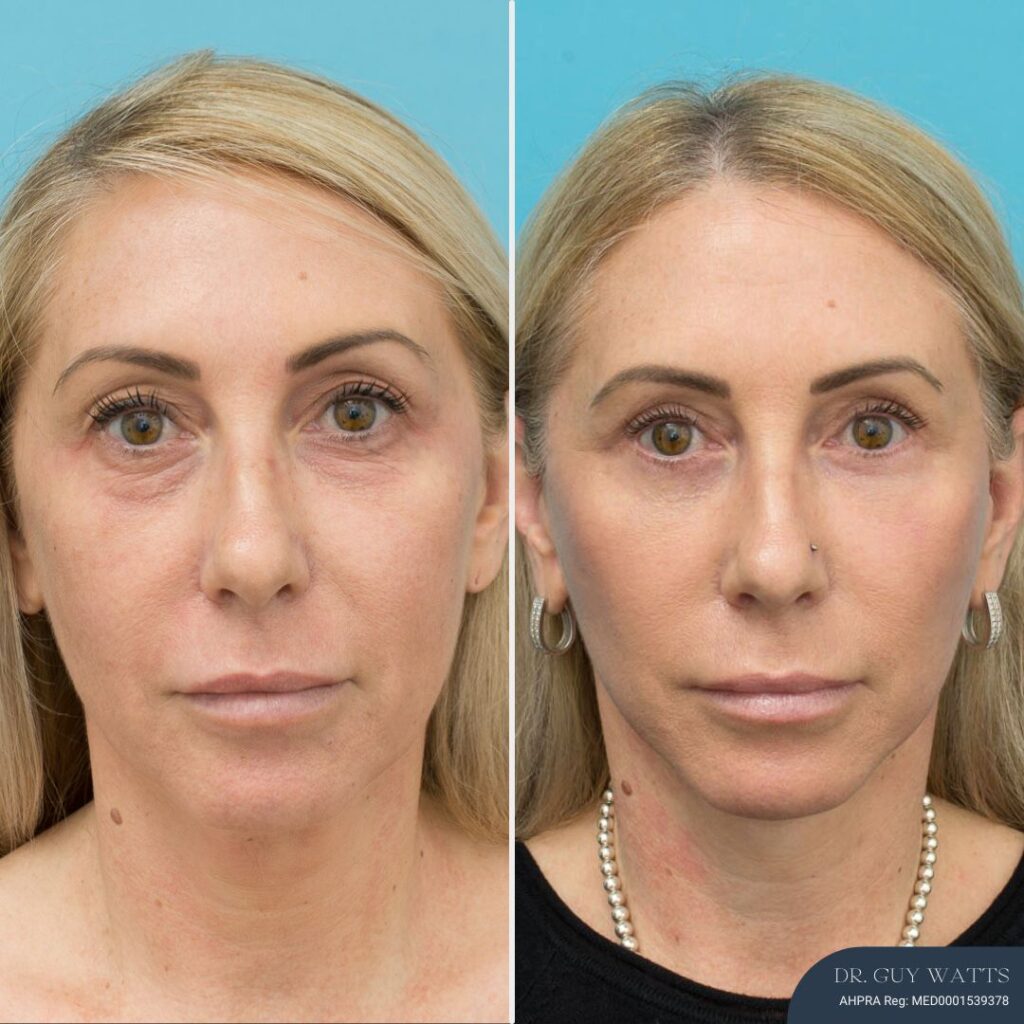
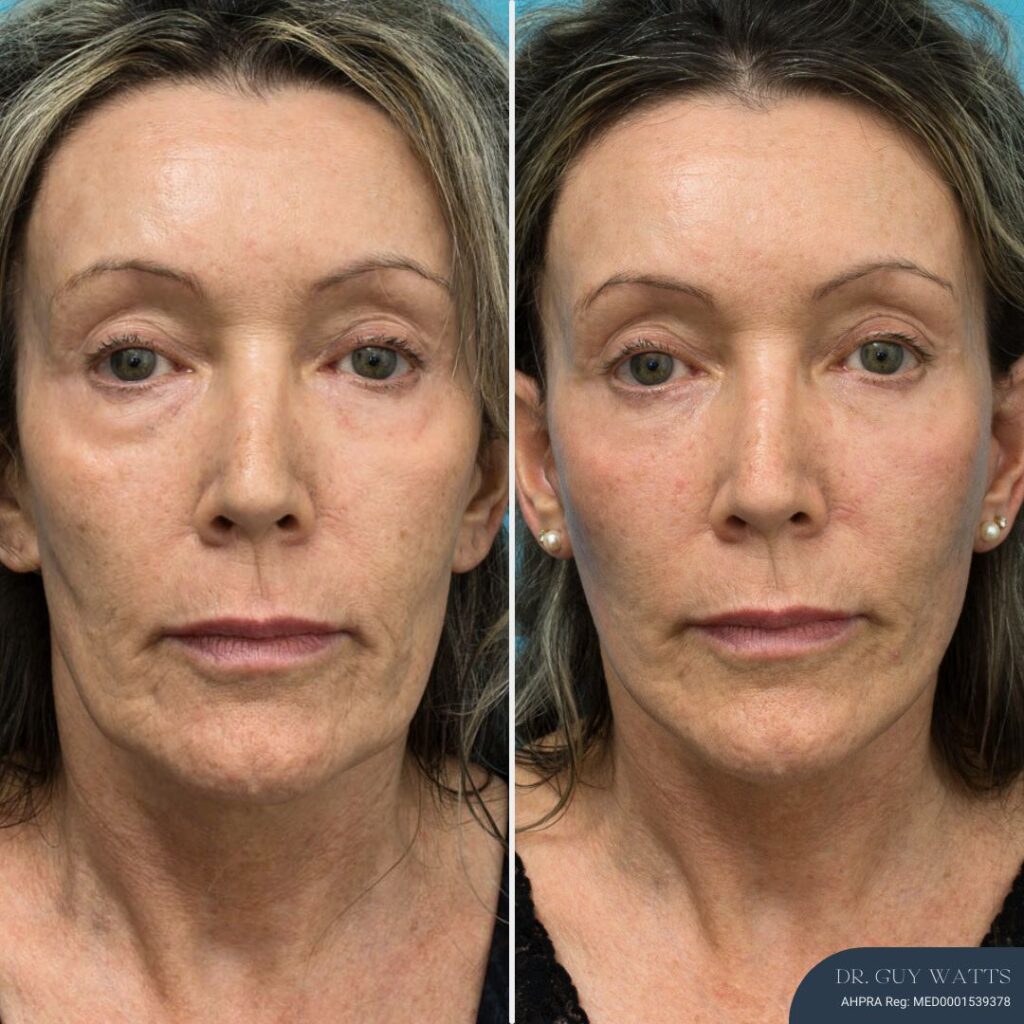
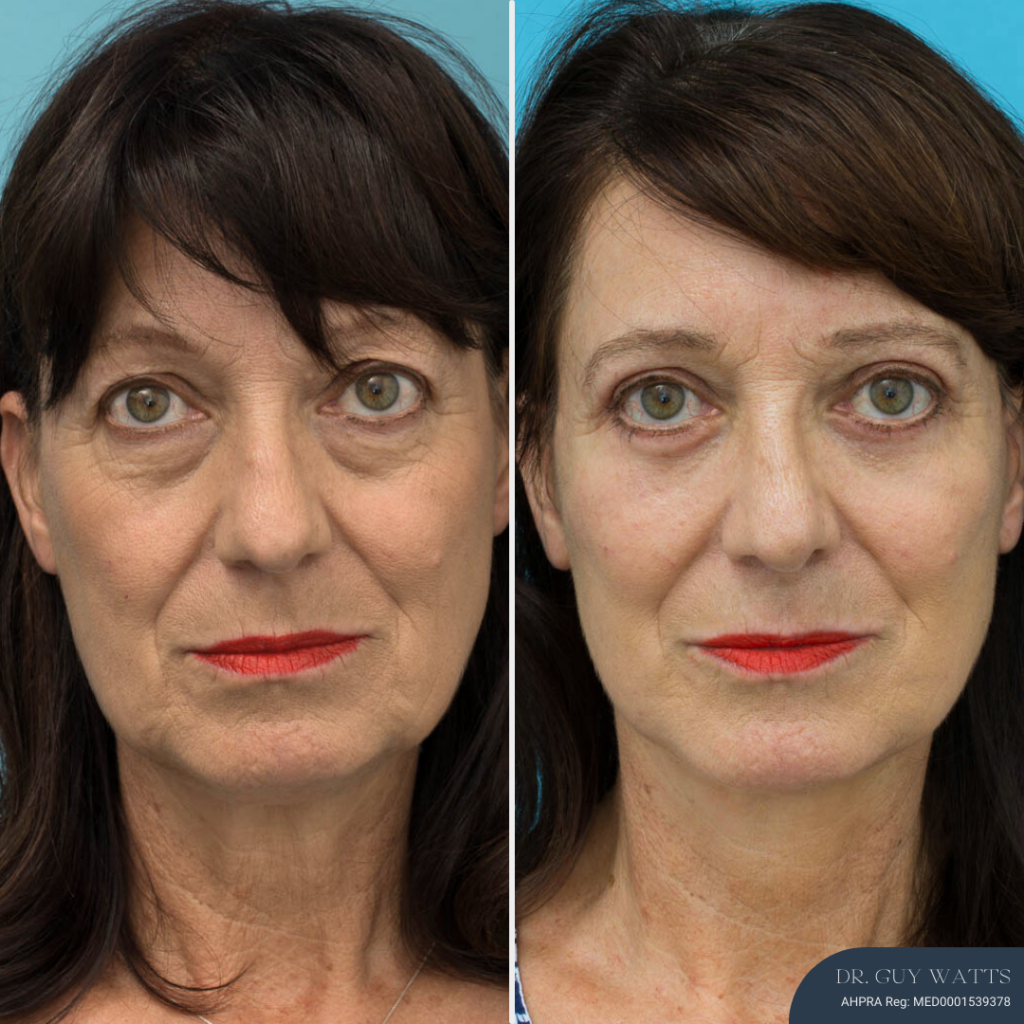
Photo Examples of Lower Eyelid Surgery
In some cases, images are used during consultation to help explain the type of changes that can occur after lower eyelid surgery. These photographs are chosen carefully and only shown with patient consent. They are not used to promote outcomes, compare results, or imply a specific result is guaranteed.
If photo examples are discussed during consultation, they are presented to support an understanding of the surgical process, not to create expectations.
The Procedure Step by Step
Lower eyelid surgery is usually performed as a day procedure under general anaesthesia or local anaesthesia with sedation. The operation generally takes one to two hours, depending on the techniques involved.
Key steps may include:
- Incision
Depending on the approach, the incision is placed inside the lower eyelid or just beneath the lash line. The incision allows access to the deeper tissues for modification. - Fat adjustment
Fatty tissue may be repositioned or, where appropriate, reduced to change fullness in the lower eyelid region. Redistribution may assist in smoothing the transition between the eyelid and cheek. - Skin adjustment
If necessary, a limited amount of skin is removed to address redundancy. Care is taken to avoid tension and to maintain eyelid movement. - Support modification
If there is evidence of eyelid laxity or structural changes, the supporting tendons or muscle may be modified to help maintain proper eyelid position after surgery. - Closure
The incision is closed with fine sutures. These may be dissolvable or removed after several days, depending on the technique used.
Dr Watts will explain which surgical steps are recommended in your case based on your assessment and goals.
Understanding Possible Risks
All surgery carries potential risks and lower eyelid surgery is no exception. The lower eyelid is a delicate structure involved in protecting the eye and maintaining tear function. Risk management is part of all surgical planning.
Potential risks may include:
- Swelling and bruising
- Sensation changes around the eyelid
- Temporary difficulty fully closing the eyes
- Eyelid position changes such as downward pull or asymmetry
- Dryness or irritation of the eyes
- Scarring or lumpiness along the incision
- Rare complications such as bleeding behind the eye or infection
These risks are discussed in detail prior to surgery. Dr Watts will evaluate your medical history and eye health as part of preoperative planning and provide clear instructions for post-operative care to support a safe recovery process.
Recovery After Surgery
Recovery after lower eyelid surgery takes place in stages. Most individuals can expect some bruising and swelling in the first week, followed by gradual improvement over several weeks.
- Days 1–3: Swelling and bruising typically peak during this period. Elevation and cold compresses may help manage symptoms.
- Days 4–7: Sutures may be removed, and swelling generally begins to reduce.
- Weeks 2–3: Many people resume light activities and return to work, depending on the nature of their role.
- Weeks 4–6: Ongoing changes may be observed as tissues settle.
- After 3 months: The lower eyelid region usually stabilises and the appearance reflects the longer-term result.
Dr Watts provides individualised follow-up to monitor healing, address any concerns and offer guidance on activity and aftercare.
Blepharoplasty Before and After Photos

Long-Term Considerations
While lower eyelid surgery can provide a lasting change in eyelid shape and support, it does not stop the natural ageing process. Maintaining overall skin health and eye care habits can assist with long-term outcomes.
Protecting the area from sun exposure, using gentle skincare around the eyes, and reporting any dryness or irritation early are important aspects of care. In some cases, non-surgical treatments may be considered to complement surgical results.
Dr Watts will provide advice on how to support the ongoing health of the eyelid region during your follow-up appointments.
Understanding Fees for Lower Eyelid Surgery in Western Australia
Fees for lower eyelid surgery in Perth vary depending on the complexity of the procedure, the surgical approach required, and individual anatomy. The total cost typically includes the surgeon’s fee, hospital or facility charges, anaesthesia, and follow-up care. An itemised estimate is provided after your consultation with Dr Guy Watts, once a personalised treatment plan has been developed. While this procedure is most often considered cosmetic, any functional concerns will be assessed during your consultation to determine if a Medicare item number applies. Dr Watts’ team will guide you through the process and assist with any questions regarding fees or private health insurance.
Preparing for Your Procedure
Preparing for surgery involves practical planning and medical considerations. Dr Watts will provide personalised instructions, but general preparation may include:
- Pausing certain medications or supplements as advised
- Avoiding smoking for several weeks before and after surgery
- Arranging someone to accompany you home and assist you for the first 24 hours
- Ensuring time off work and avoiding strenuous activity in the early recovery period
- Completing any required tests or documentation
Preparation is an important step in supporting a well-managed recovery and reducing potential risks.
Dr Watts and his team are available to guide you through each stage of the process, from consultation to follow-up.
Lower Eyelid Surgery FAQs
Can lower eyelid surgery affect how my eyes produce or drain tears?
Will lower eyelid surgery change the shape of my eye?
Is lower eyelid surgery ever combined with other procedures?
What happens if only one lower eyelid bothers me?
Can this procedure help with dark circles?
Will I need to stay overnight in hospital?
Are there alternatives to surgery for the lower eyelids?
How soon can I wear glasses or contact lenses after surgery?
Will people know I've had surgery?
Does lower eyelid surgery affect how my eyes express emotion?
Medical References
Next Steps on Your Plastic Surgery Journey
PLEASE TAKE INTO CONSIDERATION
Any surgical or invasive procedure carries risks. Before proceeding, you should seek a second opinion from an appropriately qualified health practitioner.