

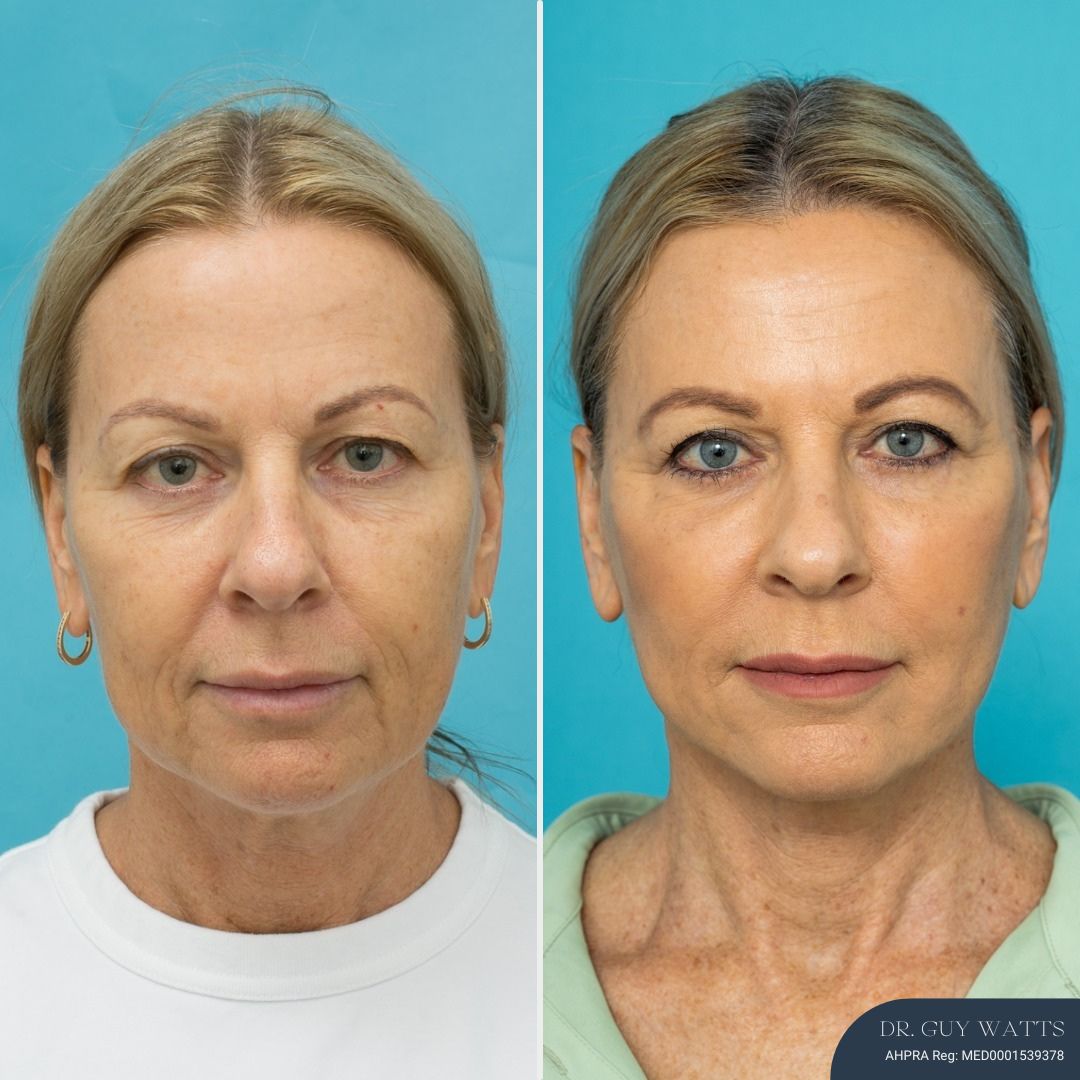
02 Jul How Age, Lifestyle And Skin Care Can Influence The Outcome Of A Facelift
Facelift surgery is a procedure used to address changes associated with the natural ageing process in the lower face and neck. It involves adjusting deeper facial structures and removing redundant skin to support a more defined facial structure. While the surgical process follows a considered and consistent approach, outcomes are influenced by many personal factors. These include age, general health, skin condition and day-to-day lifestyle habits.
Dr Guy Watts is a Specialist Plastic and Reconstructive Surgeon based in Perth, Western Australia. With years of clinical experience and specialist training in New York and Toronto, Canada, he works with patients across a broad age range who are considering options to address facial ageing. A facelift may be suitable for those experiencing changes in tissue position or definition that are not addressed by non-surgical treatments.
In this article, we explore how lifestyle, skin care and age may shape the outcome of a facelift procedure. The focus is to provide practical information that supports informed decision-making based on individual anatomy, goals and health factors.
Facelift Surgery Is Not Based On Age Alone

There is a common assumption that facelifts are only suitable for a specific age group. In reality, the decision to consider face surgery is not based solely on how old someone is, but rather how their face is changing over time.
Some people experience visible changes in the structure of the face in their late 30s or early 40s. Others maintain their facial shape well into their 60s. Genetics, bone structure, skin condition, and environmental exposure all influence this process.
Dr Guy Watts conducts individual assessments to evaluate:
- The position of soft tissue structures such as facial fat pads
- The strength and elasticity of the skin
- Changes in the neck including the platysma muscle
- Whether a surgical approach is appropriate, or if non-surgical care may be helpful in the short term
Facelift surgery is typically considered when the natural changes of ageing are more related to the deeper structures of the face and are not addressed with less invasive measures. There is no set age that determines this point. What matters most is the underlying anatomy and how an individual feels about those changes.
Take our quiz, and find out if you are ready for surgery
How Skin Condition May Influence Healing And Visual Outcome
Skin plays an important role in the way the face responds to surgery. One of the key considerations is elasticity. This refers to how well the skin stretches and returns to shape. Skin with more elasticity generally adapts more easily after surgical adjustments to the underlying structures.
The condition of the skin is influenced by:
- Intrinsic ageing, which is the natural and genetic ageing process
- Extrinsic ageing, which includes lifestyle and environmental exposure
Sun exposure is one of the most significant contributors to extrinsic ageing, particularly in Perth where the UV index is among the highest in the world. Over time, this can lead to a reduction in skin strength and structural proteins such as collagen and elastin.
When the skin is more fragile or has uneven pigmentation, this may affect how it responds to repositioning and healing. While facelift surgery addresses the internal structures of the face, it does not treat surface features such as sunspots, redness or changes in skin tone.
Some individuals may benefit from addressing these skin concerns separately, either before or after surgery, through treatments designed to support skin health. Dr Watts may provide guidance on whether this is appropriate, but it is never a requirement or bundled as part of surgery.
Lifestyle Habits That Can Influence Healing And Longer-Term Results

The way the body responds to any surgery is closely linked to general health and lifestyle choices. Certain factors are known to influence both recovery and the appearance of results over time.
✓ Smoking And Nicotine
Smoking has been shown to reduce oxygen delivery to the skin and blood vessels, which can affect the healing process. Nicotine in any form, including vaping and patches, can interfere with the function of collagen-producing cells and slow wound repair.
In facelift surgery, this may increase the likelihood of wound complications, delayed healing and irregular scarring. Dr Watts strongly encourages patients to stop smoking and avoid nicotine products well in advance of surgery. This is part of supporting the safest possible surgical environment.
✓ Alcohol Intake
While moderate alcohol consumption may not pose a significant concern, high intake can influence hydration, immune response and the function of the liver. These effects can contribute to more swelling or slower healing. Patients are usually advised to limit alcohol consumption before and after surgery to support recovery.
✓ Nutrition And Weight Stability
Nutrition plays a direct role in tissue repair. A balanced intake of protein, vitamins and minerals supports the healing process. Patients who follow restrictive diets or have significant weight changes in the months before or after surgery may experience changes in how their face appears.
Maintaining a steady weight supports better predictability of results. Significant weight loss or gain after surgery may alter how the skin responds or influence the visibility of changes.
✓ Sleep And Stress Levels
Sleep supports hormone balance and tissue regeneration. Chronic stress or poor sleep quality may affect how the immune system functions and how the skin heals. Supporting consistent, restorative sleep in the lead-up to surgery and during the recovery phase is encouraged.
DOWNLOAD DR GUY WATTS’ FACE AND NECK LIFT SURGERY GUIDE
How Long Results May Remain Noticeable
Facelift surgery changes the position of certain facial structures that may have shifted over time. This procedure does not stop the natural ageing process, but it may help to address changes in specific areas of the face and neck.
How long the effects remain visible depends on:
- The age at which surgery is performed
- The resilience and thickness of the skin
- Ongoing exposure to sun and environmental factors
- Lifestyle habits such as smoking, hydration and skin care
- Stability of weight over time
Many people find that changes are visible for 7 to 10 years, though this varies from person to person. The goal is not to achieve permanence, but to provide support to areas where structural change has occurred.
Dr Watts does not recommend routine follow-up procedures. However, some patients may consider additional care years later depending on how their anatomy changes. Any such decision is guided by clinical evaluation, not by expectation.
Why A Personalised Assessment Is More Important Than Age Brackets
Ageing affects every face differently. Some individuals experience changes in soft tissue positioning, while others notice differences in skin tone or neck appearance. Genetics, lifestyle, facial structure and environment all play a part.
This is why Dr Guy Watts provides an in-depth consultation to assess individual needs. He examines the layers of the face, skin condition, health history and what the patient is hoping to address. Each recommendation is based on clinical assessment rather than a pre-defined timeline.
Some people in their late 30s may wish to explore early changes in facial balance. Others in their 60s or early 70s may have strong skin support and benefit from surgical care. The right time is personal, not procedural.
Face Lift Surgery Before and After Photos
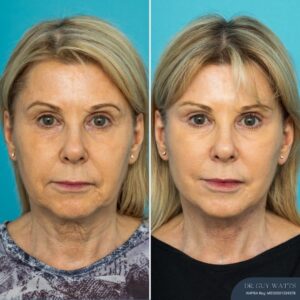
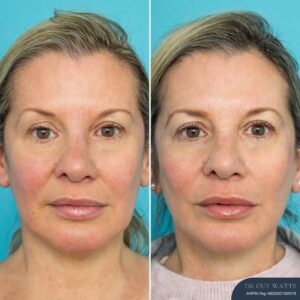
Photo disclaimer:
Each surgical procedure produces unique outcomes influenced by factors such as body composition, skin tone, laxity, age, and genetics. The before-and-after photographs displayed are of actual patients and are provided for informational purposes only.
Pre-Surgical Skin Habits Can Support Recovery
Preparing the skin before a facelift may support the healing process. While skin care alone cannot change the deeper layers of the face, good habits can help maintain the skin’s barrier function and improve hydration.
Dr Watts may discuss:
- Consistent sun protection using SPF 50+ sunscreen
- Use of moisturisers suited to your skin type
- Avoiding products that irritate or dry the skin, particularly those with high-strength active ingredients
- Managing any existing skin conditions in advance, such as eczema or dermatitis
Skin care does not need to be complex, but supporting healthy skin before surgery may contribute to a more comfortable recovery.
Maintaining Skin Health After Surgery
After recovery is complete, ongoing care of the skin can help support the visual result. This involves:
- Applying sunscreen daily to protect from UV exposure
- Staying hydrated and avoiding excessive alcohol or caffeine
- Continuing a gentle skin care routine tailored to your needs
- Eating a balanced diet rich in antioxidants and healthy fats
- Avoiding smoking and excessive sun exposure
While the internal changes made during facelift surgery are significant, they interact with the skin’s surface condition. Maintaining good skin health is one of the most effective ways to support how those changes appear over time.
FAQs About How Age, Lifestyle and Skin Care Can Influence The Outcome of a Facelift
How Western Australia’s Environment Influences Facial Ageing
Perth’s climate, with its high levels of UV radiation and long summers, contributes to skin ageing through repeated sun exposure. This affects both the texture and strength of the skin and may lead people to seek surgical care at an earlier age than those in lower UV environments.
Dr Watts understands the unique environmental influences of living in Western Australia and considers this during consultation and planning. He also advises on realistic recovery expectations, understanding that many patients lead active, public-facing lives and wish to plan surgery around work or family schedules.
Rather than promoting rapid outcomes, he provides a structured post-operative plan designed to guide patients through each phase of recovery with appropriate medical support.
Considering A Facelift? Schedule a Consultation With Dr Watts
There are many factors that contribute to the way a facelift appears and how long the results may remain visible. Age is just one of many considerations. Lifestyle, skin health, sun exposure and underlying facial structure all influence both healing and outcome.
Dr Guy Watts is a Specialist Plastic and Reconstructive Surgeon who provides individualised care in his Perth practice. His approach is focused on medical guidance, accurate assessment and realistic discussions around what can be achieved.
If you are considering a facelift, understanding how your own body responds to ageing and healing will help you decide what feels right for you. There is no perfect time and no single approach that suits everyone. A thoughtful, informed conversation is the best first step.
Further Reading
- Read more about SMAS Facelift
- Read more about Deep Plane Facelift
- Read more about Anterior Neck Lift
- Read Dr Guy Watts’ Blog on When to Resume Exercising after Facelift Surgery
- Read Dr Guy Watts’ Blog on How To Manage Face Lift Scars For Optimal Results
- Read Dr Guy Watts’ Blog on Flying After A Face Lift: What Patients Should Know
- Read Dr Guy Watts’ Blog on 7 Tips to Reduce Bruising after Facelift Surgery
About Dr. Guy Watts – MED0001539378
FRACS (Plas) – Specialist Plastic Surgeon In Perth WA
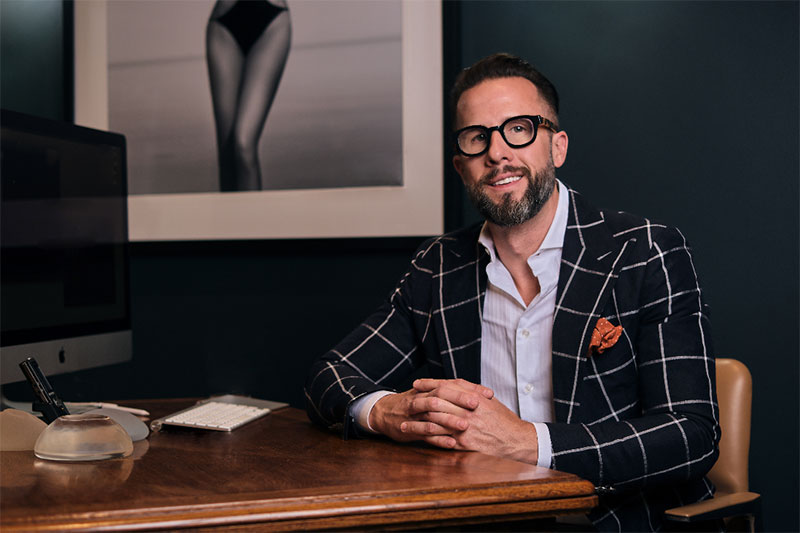
Dr. Guy Watts is a Specialist Plastic Surgeon (AHPRA MED0001539378) with an extensive career that spans across renowned plastic surgery clinics worldwide. His experience has been honed through invaluable experiences at esteemed establishments such as the New York Eye and Ear Infirmary and the renowned Pitanguy Clinic in Brazil.
Having collaborated with the foremost cosmetic plastic surgeons on a global scale, Dr. Watts has chosen to return to Perth after a 17-year journey of intensive training and invaluable professional experience to bring the latest practices and technology in cosmetic plastic surgery to his patients.
Dr. Watts is a Fellow of the Royal Australasian College of Surgeons (FRACS) and a Member of the Australian Society of Plastic Surgeons (ASPS), Australasian Society of Aesthetic Plastic Surgeons (ASAPS) and the International Society of Aesthetic Plastic Surgeons (ISAPS).
Read about the potential Risks and Complications of Surgery
Read the Patient Information and Resources
About CLINISPA
Clinispa is Dr Watts’ bespoke medical clinic performing Cosmetic Aesthetic treatments. At Clinispa, we offer advanced clinical treatments in a luxurious and calming environment, tailored to support your skin’s health and appearance.
Clinispa aesthetic services are performed by Dr Guy Watts’ nursing professionals, who have a passion for and solid understanding of facial aesthetics.
All Clinispa clients are considered individually, with a personalised treatment plan consisting of advanced scientific approaches to cosmetic aesthetics. We incorporate innovative technologies in conjunction with superiorly formulated skin care.
For more information about the full range of Clinispa Aesthetic of Cosmetic Treatments visit the Clinispa website
Sorry, the comment form is closed at this time.