This website contains imagery which is only suitable for audiences 18+.


Jaw Surgery (Orthognathic)
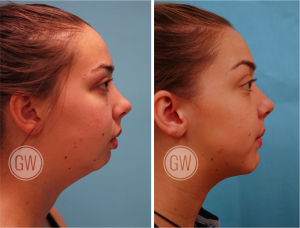
Jaw surgery, medically referred to as orthognathic surgery, is a surgical procedure that addresses both functional and aesthetic concerns related to the jaw’s alignment and structure. The jaw plays a crucial role in facial harmony, speech, and chewing functions. Dr. Guy Watts, with his vast experience in plastic and reconstructive surgery, offers comprehensive orthognathic options in Perth, so every patient has the chance to achieve optimal facial aesthetics and increase jaw functionality.
What Is Jaw Surgery (Orthognathic Surgery)?
Orthognathic surgery, or jaw surgery, is a procedure designed to alter irregularities in the jaw’s alignment and structure. These irregularities can be congenital, developed over time, or result from trauma. The primary goals of orthognathic surgery include:
- Reducing Malocclusion: Malocclusion refers to the misalignment of the upper and lower teeth when the jaw is closed. This can lead to bite problems, which can affect chewing, speech, and overall oral health
- Altering Facial Aesthetics: A misaligned jaw can impact facial symmetry and proportions. By altering the jaw’s position, orthognathic surgery can change the overall facial appearance.
- Increased Jaw Function: Jaw irregularities can lead to difficulties in chewing, swallowing, and speech. Through orthognathic surgery, these functional issues can be addressed.
- Relieving Pain and Discomfort: Conditions like temporomandibular joint (TMJ) disorders can cause chronic pain and discomfort. Jaw surgery can help alleviate these symptoms by addressing the root cause.
- Addressing Sleep Apnea: In some cases, jaw misalignment can contribute to conditions like obstructive sleep apnea. By repositioning the jaw, the airway can be opened, alleviating breathing issues during sleep.
Orthognathic surgery is a complex procedure that requires careful planning, precision, and post-operative care. It’s essential to have a thorough consultation to discuss individual needs, potential outcomes, and the overall treatment plan.
DOWNLOAD DR WATTS’ GUIDE TO JAW & CHIN SURGERY
Ultimate Guide To Jaw & Chin Surgery
Who Is a Good Candidate?
Determining candidacy for orthognathic surgery is a process that takes into account both functional and aesthetic concerns. Here are some factors that might make someone a suitable candidate for Jaw surgery:
- Dental Misalignment: Individuals who have significant overbites, underbites, or crossbites that cannot be alleviated with orthodontics alone might benefit from orthognathic surgery.
- Facial Asymmetry: A misaligned jaw can lead to noticeable facial asymmetry. Those seeking to achieve a more symmetrical facial appearance might consider jaw surgery.
- Chronic Jaw Pain: Persistent pain or discomfort in the jaw, often associated with TMJ disorders, can be alleviated with orthognathic surgery.
- Breathing Difficulties: Some individuals might experience breathing issues due to the jaw’s position, especially while sleeping. Jaw surgery can help open the airway, addressing conditions like sleep apnea.
- Speech Concerns: A misaligned jaw can impact speech clarity. Those experiencing speech difficulties due to jaw structure might benefit from the procedure.
- Good Overall Health: As with any surgical procedure, candidates should be in good health, free from conditions that might complicate surgery or recovery.
- Informed Decision: Understanding the procedure, its risks, potential benefits, and the recovery process is crucial. Candidates should be well-informed and have realistic expectations.
All jaw surgery is completed in a team-approach with an orthodontist. A period of braces is required prior to and after surgery and will be discussed in detail before surgery. Dr Watts utilises advanced three-dimensional imaging and planning techniques to demonstrate different treatment options and increase understanding and involvement of patients in their treatment outcomes.
REQUEST AN APPOINTMENT
WHAT CAN ORTHOGNATHIC ‘JAW’ SURGERY DO FOR ME?
• Increase occlusion (the way the teeth meet)
• Increase facial proportions and balance
• Strengthen a weak or recessive chin
• Reduce an excessively strong or protruding chin
• Change a gummy smile
• Increase dental show
• Balance a crooked smile
• Increase upper lip fullness
• Help patients breathe better
• Reduce symptoms of obstructive sleep apnea
• Increase alignment of the face and teeth
ORTHOGNATHIC SURGERY PROCEDURE AND RECOVERY PERIOD
How Is the Surgery Performed?
Orthognathic surgery is a complex procedure that requires meticulous planning and execution. The exact steps can vary based on the individual’s needs and the specific issues being addressed. Here’s a general overview of how the surgery is typically performed:
- Pre-Surgical Planning: Before the surgery, detailed imaging, including X-rays and 3D scans, are taken to assess the jaw’s structure. This aids in creating a specific surgical plan tailored to the patient’s needs.
- Anaesthesia: Given the complexity of the procedure, general anaesthesia is administered for patient safety and comfort throughout the surgery.
- Making the Incisions: Incisions are made inside the mouth to access the jawbones, so there are no visible external scars. In some cases, additional small incisions might be made on the external jaw or chin area.
- Repositioning the Jaw: Depending on the issue, either the upper jaw, lower jaw, or both might be repositioned. The bones are carefully cut and realigned to the desired position.
- Securing the Jaw: Once the jaw is aligned, it’s secured in place using plates, screws, and wires. These materials are biocompatible and usually don’t need to be removed.
- Wound Closure: The incisions are closed using sutures. If the incisions are inside the mouth, absorbable sutures are used.
- Immediate Post-Op Care: After the surgery, the patient’s bite might be secured using elastic bandages or wires to aid in the healing process.
Recovery after Orthognathic Surgery
Recovering from orthognathic surgery is a gradual process and understanding what to expect can aid your recovery. Here’s what patients can anticipate:
- Initial Phase: Swelling, bruising, and discomfort are common in the days following the surgery. Pain medications and cold compresses can help manage these symptoms.
- Dietary Adjustments: A liquid or soft food diet is recommended initially. As healing progresses, patients can gradually reintroduce solid foods.
- Oral Care: Maintaining oral hygiene is paramount. Gentle rinsing with antiseptic mouthwash and careful brushing can help prevent infections.
- Activity Restrictions: Strenuous activities should be avoided for several weeks. However, light activities like walking are encouraged to promote circulation.
- Regular Follow-Ups: Scheduled check-ups with Dr. Guy Watts are essential to monitor the healing process, make necessary adjustments, and optimise results.
- Long-Term Care: While the significant recovery phase might last a few weeks, complete healing can take several months. It’s crucial to follow all post-operative care instructions and attend follow-up appointments for an optimal outcome.
- Resuming Normal Activities: Most patients can return to work or school within 2-4 weeks, depending on the surgery’s extent and their individual healing process.
Risks of Jaw Surgery
Plastic surgery comes with inherent risks. It’s crucial for patients to be aware of potential complications and make informed decisions. Anaesthesia is used in most surgical procedures for patient safety and comfort. However, in rare cases, it can lead to complications such as allergic reactions, lung infections, stroke, and even heart complications.
Also, keep in mind that all surgeries result in some form of scarring. While Dr. Watts often uses techniques to reduce and strategically place these scars, some patients might experience hypertrophic or keloid scarring, which is a raised and more prominent scar. It’s essential for anyone considering plastic surgery to thoroughly research and understand these risks.
Read more about risks and potential complications of plastic surgery.
FAQs about Orthognathic Surgery
Is orthognathic surgery purely cosmetic?
- While orthognathic surgery can greatly alter facial aesthetics, it’s not solely cosmetic. Many patients undergo the procedure to address functional issues like bite problems, speech difficulties, and chronic pain.
How long does the actual surgery take?
- The duration of the surgery can vary based on the complexity of the case. Typically, it can range from 2 to 5 hours. However, more intricate procedures might take longer.
Will I need to wear braces before or after the surgery?
- Often, orthodontic treatment (braces) is part of the orthognathic surgery process to achieve optimal alignment of the teeth and jaws.
- Patients might need braces before the surgery to position the teeth and sometimes after the surgery to refine the bite.
Are there any non-surgical alternatives to orthognathic surgery?
- In some cases, minor jaw misalignments can be addressed with orthodontics alone. However, for significant discrepancies or functional issues, surgery might be the most effective solution. It’s essential to consult with a specialist to explore all available options.
What are the potential risks or complications of the surgery?
- As with any surgical procedure, orthognathic surgery comes with potential risks, including infection, bleeding, nerve damage, or adverse reactions to anaesthesia. Dr. Guy Watts takes every precaution to lower these risks.
How will the surgery impact my speech or ability to eat?
- Initially, patients might experience changes in speech or difficulty chewing due to swelling and the healing process. As recovery progresses, these functions change and often become better than they were pre-surgery, especially if the surgery addressed functional issues.
Medical References about Orthognathic Surgery
- Jaw Surgery (Orthognathic): Types, Procedure & Recovery – Cleveland Clinic
- Jaw surgery – Mayo Clinic
- Orthognathic Surgery: General Considerations – PMC
Next Steps on Your Plastic Surgery Journey
PLEASE TAKE INTO CONSIDERATION
Any surgical or invasive procedure carries risks. Before proceeding, you should seek a second opinion from an appropriately qualified health practitioner.