
28 Feb Will A Nose Job Affect Your Voice? What To Expect After Rhinoplasty
Rhinoplasty, often known as a nose job, is a procedure that alters the structure of the nose to address appearance-related preferences, functional breathing concerns, or a combination of both. For many people across Perth and wider Western Australia, the decision to consider rhinoplasty involves several questions, including whether adjusting the internal nasal structure could influence the way they sound when they speak.
Your voice is a personal feature, shaped by airflow, resonance and your own anatomical characteristics. Understandably, individuals who are considering rhinoplasty may want clarity about whether these changes could influence voice tone or resonance. This article has been written by Dr Guy Watts, Specialist Plastic and Reconstructive Surgeon in Perth, to offer clear, patient-focused information that aligns with AHPRA’s requirements and supports informed decision making.
Understanding Rhinoplasty In A Functional And Aesthetic Context
Rhinoplasty is performed to modify or change the shape or internal structure of the nose. Some people explore the procedure to address appearance-related concerns such as nasal tip asymmetry or a prominent nasal bridge. Others seek improvement in airflow when long standing nasal obstruction is affecting everyday comfort or breathing.
In West Perth, Dr Guy Watts performs rhinoplasty using both open and closed techniques. Each approach involves different degrees of access to nasal structures. This may influence aspects of recovery, internal swelling, and, in some cases, temporary changes in how the voice sounds. The nasal cavity contributes to resonance, and when this space is altered internally, there may be subtle changes in airflow during speech.
Understanding the nasal role in voice production is useful when considering whether rhinoplasty may influence voice characteristics.
Take our quiz, and find out if you are ready for surgery
How The Nose Influences Voice Resonance
Your voice is produced through a combination of vocal cord vibration, airflow from the lungs, and resonance that occurs in the oral and nasal passages. The nasal structures contribute to the clarity and tone of certain sounds, particularly nasal consonants such as M, N and NG.
When nasal airflow is temporarily restricted, such as during a cold, many people notice that their voice sounds different. This is an example of how sensitive vocal resonance is to airflow changes.
During rhinoplasty, adjustments to the septum, nasal valves or turbinates may alter the internal dimensions of the nasal cavity. While these changes are typically not large, they can influence resonance to a mild degree. Most individuals do not notice substantial change, though those who work with their voice may be more aware of subtle shifts.
Will Rhinoplasty Change Your Voice
Most people do not experience pronounced or long lasting changes in voice following rhinoplasty. Studies indicate that any shifts in how the voice resonates are usually modest and may not be noticeable to others. These changes are often related to temporary internal swelling rather than permanent structural alteration.
When changes are reported, they are usually associated with slight reductions in nasal resonance. This may make certain sounds feel different to the person speaking, although these shifts typically settle during recovery as swelling reduces and airflow becomes more consistent.
Individuals in voice intensive professions, including singers, teachers and presenters, may be more attuned to acoustic differences. For these individuals, a detailed discussion during consultation with Dr Watts is encouraged so planning can be tailored to their needs.
What Current Research Shows About Voice After Rhinoplasty
Medical studies examining the relationship between rhinoplasty and vocal characteristics provide valuable context:
- Some long term studies have identified small shifts in frequency or resonance patterns after rhinoplasty. These findings were most often detected using acoustic analysis rather than by patients themselves.
- Research involving professional voice users found no significant functional impact after rhinoplasty. Participants were more aware of subtle shifts, but these were not considered disabling or harmful.
- Individuals undergoing combined rhinoplasty and septoplasty sometimes report clearer airflow, which may influence speech comfort if nasal obstruction was present before surgery.
Overall, the current evidence suggests that rhinoplasty may influence resonance in some individuals, but these changes are usually subtle and do not meaningfully affect daily communication.
Factors That May Influence Voice Changes
Several considerations may contribute to voice differences following rhinoplasty: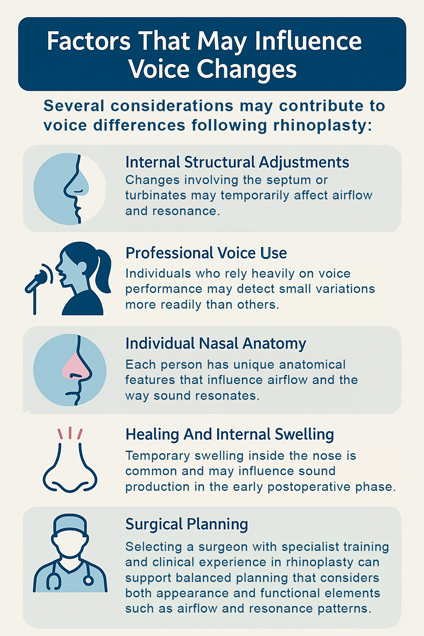
Internal Structural Adjustments
Changes involving the septum or turbinates may temporarily affect airflow and resonance.
Professional Voice Use
Individuals who rely heavily on voice performance may detect small variations more readily than others.
Individual Nasal Anatomy
Each person has unique anatomical features that influence airflow and the way sound resonates.
Healing And Internal Swelling
Temporary swelling inside the nose is common and may influence sound production in the early postoperative phase.
Surgical Planning
Selecting a surgeon with specialist training and clinical experience in rhinoplasty can support balanced planning that considers both appearance and functional elements such as airflow and resonance patterns.
DOWNLOAD DR WATTS’ GUIDE TO COST OF SURGERY
Discussing Voice Concerns At Your Consultation
Voice related questions are welcome during your consultation with Dr Guy Watts. At his clinic in West Perth, assessments include evaluation of the internal and external nasal structures and consideration of how any planned changes may influence airflow.
Individuals who use their voice frequently for work or creative practice are encouraged to share details about their vocal needs. In selected cases, Dr Watts may work collaboratively with an ENT specialist or speech pathologist when it is helpful for planning.
Communication is an essential part of the preoperative process, and patients are supported to understand how rhinoplasty may influence breathing, airflow and resonance.
Recovery After Rhinoplasty And What To Expect For Your Voice
Healing after rhinoplasty occurs gradually over several months. The first phase of recovery often involves internal swelling that can temporarily alter airflow. During this period, some people notice a slightly nasal sound in their speech. This experience is usually temporary and aligns with the normal reduction of internal swelling.
Dr Watts provides individualised postoperative instructions to support a steady recovery. These may include guidance on nasal care, recommended sleeping positions and steps to reduce unnecessary pressure or strain on healing tissues. Follow up appointments are scheduled to assess internal and external healing and to discuss any concerns related to breathing or voice.
If voice related questions arise during recovery, Dr Watts will examine airflow and internal healing and may recommend additional assessment if needed.
Patient Experiences In Clinical Practice
Although Dr Watts does not use patient testimonials, patterns observed in clinical practice highlight that most individuals do not report major changes in voice after rhinoplasty. When changes are noticed, they tend to relate to temporary swelling or shifts in airflow during the early healing period.
Some individuals with significant nasal obstruction before surgery may note that clearer airflow supports more comfortable speech. This varies between individuals and depends on the underlying nasal anatomy and the type of surgical adjustments performed.
These observations are consistent with published research and reinforce the importance of individualised surgical planning.
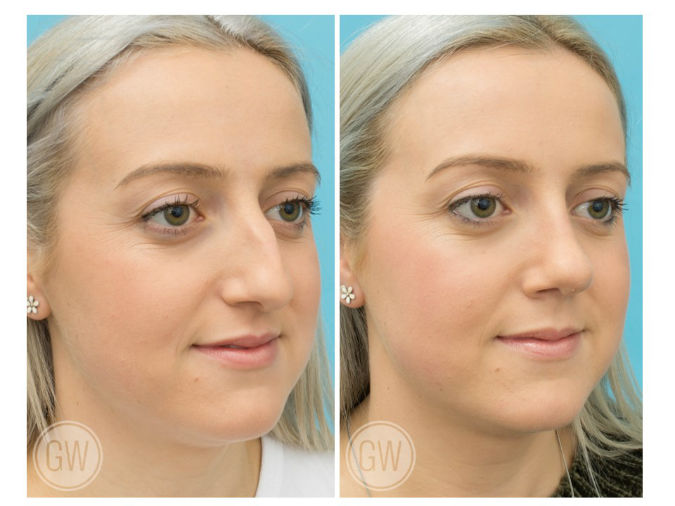
Rhinoplasty Surgery Before and After Photos
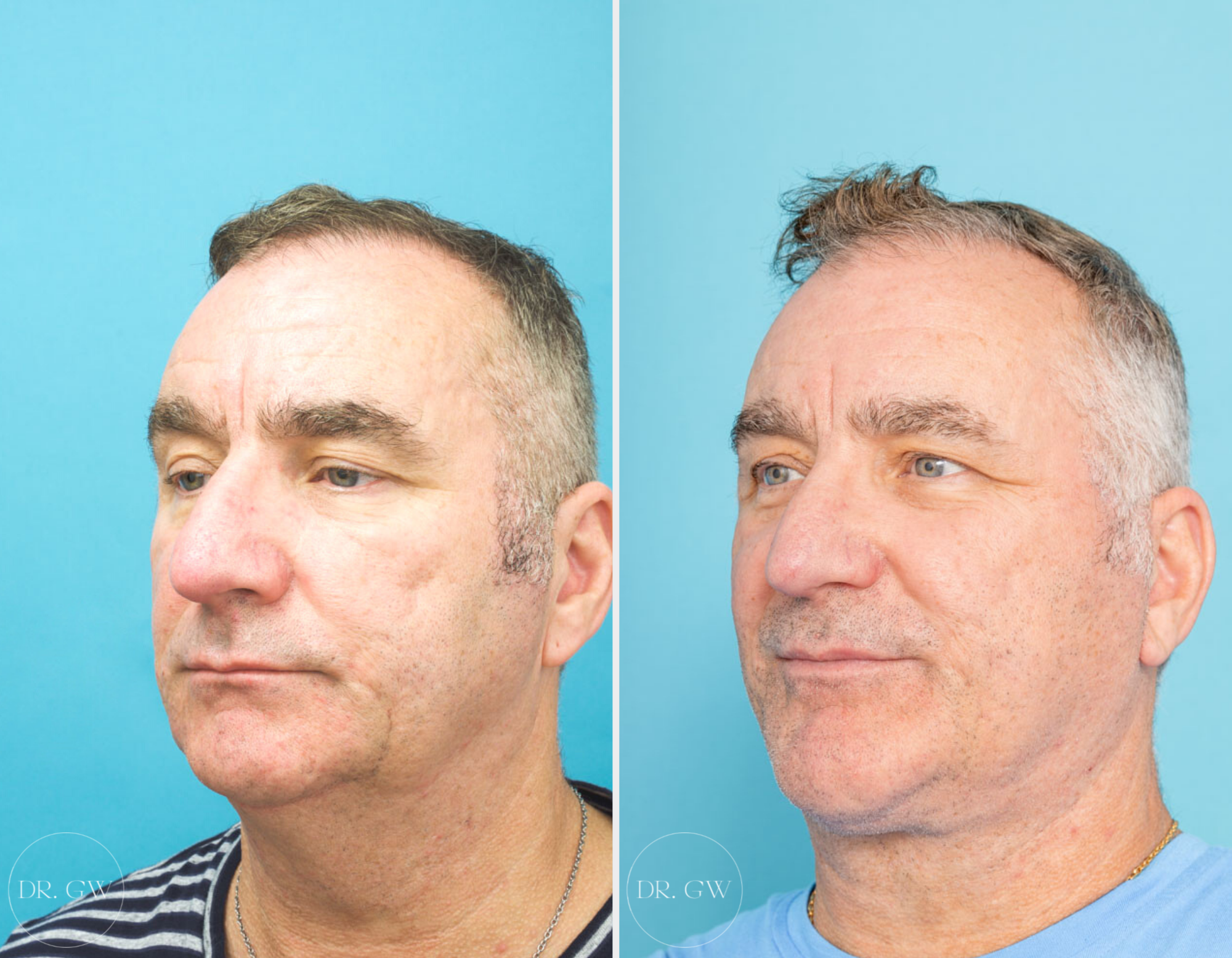
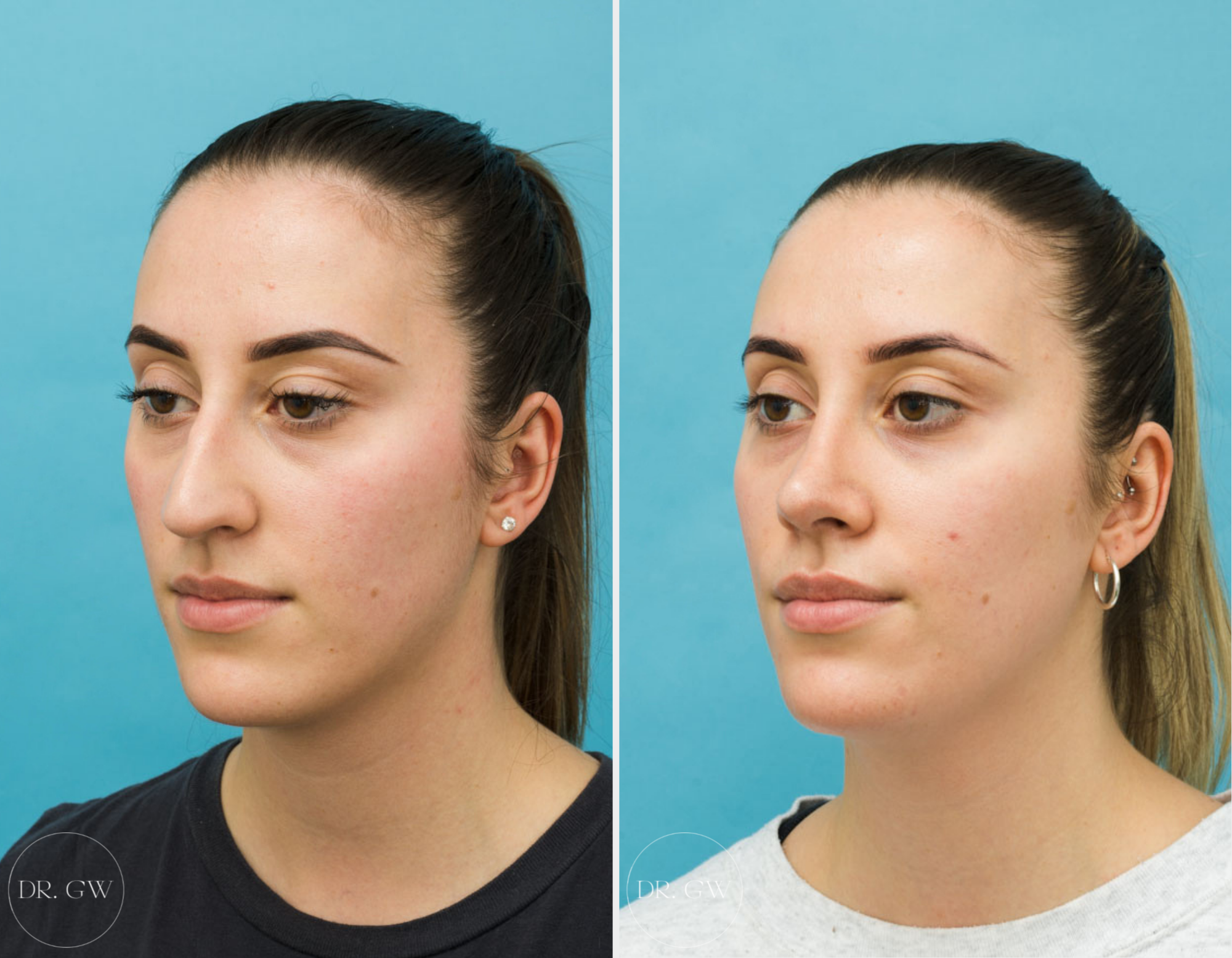
Photo disclaimer:
Each surgical procedure produces unique outcomes influenced by factors such as body composition, skin tone, laxity, age, and genetics. The before-and-after photographs displayed are of actual patients and are provided for informational purposes only.
Why Choose A Specialist Plastic And Reconstructive Surgeon In Perth
Rhinoplasty involves detailed understanding of nasal anatomy, airflow dynamics and aesthetic balance. Selecting a surgeon with specialist training and a focused practice in both reconstructive and aesthetic nasal surgery supports informed decision making and careful planning.
Dr Guy Watts is a Specialist Plastic and Reconstructive Surgeon based in West Perth. His professional background includes extensive training, clinical experience and an in depth understanding of nasal surgery. His approach prioritises long term function, clear communication and individualised planning.
Patients considering rhinoplasty in Perth can expect a thorough consultation in which questions about breathing, airflow and voice resonance are openly discussed.
Questions To Raise With Your Surgeon Before Rhinoplasty
If you are considering rhinoplasty, you may wish to discuss:
- Whether planned changes may influence airflow
- Whether voice related changes are possible during early healing
- How internal swelling may affect resonance
- How your individual anatomy influences planning
- Any specific voice related needs if you use your voice professionally
These questions help guide a thoughtful discussion and allow patients to actively participate in planning.
FAQs About Rhinoplasty And Voice
Do’s And Don’ts For Pre And Post Operative Care
Pre Operative Do’s
Do share any concerns about voice, breathing or airflow during your consultation.
This allows Dr Watts to plan your procedure with full understanding of your functional priorities.
Do mention if you use your voice professionally.
Voice dependent activities may benefit from additional planning or multidisciplinary input.
Do follow all pre operative instructions provided by Dr Watts.
These help prepare your body for surgery and support a steady recovery.
Do arrange time to rest your voice if needed after surgery.
Planning ahead can reduce unnecessary strain during early healing.
Pre Operative Don’ts
Do not withhold information about past nasal surgery, sinus issues or voice concerns.
These details help guide safe and appropriate planning.
Do not rely on online opinions about voice outcomes.
Individual anatomy varies, and personalised assessment is essential.
Post Operative Do’s
Do expect some internal swelling that may temporarily influence airflow and voice.
This is a normal part of healing and typically settles gradually.
Do attend all follow up appointments with Dr Watts.
These visits allow support, guidance and monitoring of internal and external healing.
Do follow your postoperative nasal care instructions carefully.
Gentle care supports internal healing and stable airflow.
Do use your voice softly in the early stages if you feel congested.
This helps avoid unnecessary strain while tissues are settling.
Post Operative Don’ts
Do not forcefully blow your nose during early recovery.
This can place pressure on healing tissues and alter airflow.
Do not return to high demand vocal activities until Dr Watts advises.
Early strain may prolong the feeling of altered resonance.
Do not ignore persistent changes in breathing or voice.
If something feels unusual, contact the clinic so Dr Watts can assess your healing.
Do not expose yourself to dusty or irritant environments during early healing.
These can contribute to congestion and affect airflow temporarily.
Considering Rhinoplasty In Perth
For individuals in Perth and Western Australia considering rhinoplasty, a consultation with Dr Guy Watts provides an opportunity to explore functional and appearance related goals in a supportive environment.
Most people do not experience significant voice changes after rhinoplasty. When changes occur, they are usually temporary and relate to early internal swelling. Through thorough assessment and careful planning, Dr Watts guides patients through the considerations relevant to breathing, airflow and vocal resonance.
His West Perth clinic provides a structured, informed approach that supports individuals throughout their decision making process.
Further Reading
- Read more about Nasal Reconstruction
- Read more about Non-Surgical Rhinoplasty
- Read Dr Guy Watts’ Blog on Top 5 ways to Alter Your Nose
- Read Dr Guy Watts’ Blog on How to Reduce Bruising after Rhinoplasty
- Read Dr Guy Watts’ Blog on Rhinoplasty for a Bulbous Nose
About Dr. Guy Watts – MED0001539378
FRACS (Plas) – Specialist Plastic Surgeon In Perth WA

Dr. Guy Watts is a Specialist Plastic Surgeon (AHPRA MED0001539378) with an extensive career that spans across renowned plastic surgery clinics worldwide. His experience has been honed through invaluable experiences at esteemed establishments such as the New York Eye and Ear Infirmary and the renowned Pitanguy Clinic in Brazil.
Having collaborated with the foremost cosmetic plastic surgeons on a global scale, Dr. Watts has chosen to return to Perth after a 17-year journey of intensive training and invaluable professional experience to bring the latest practices and technology in cosmetic plastic surgery to his patients.
Dr. Watts is a Fellow of the Royal Australasian College of Surgeons (FRACS) and a Member of the Australian Society of Plastic Surgeons (ASPS), Australasian Society of Aesthetic Plastic Surgeons (ASAPS) and the International Society of Aesthetic Plastic Surgeons (ISAPS).
Read about the potential Risks and Complications of Surgery
Read the Patient Information and Resources
About CLINISPA
Clinispa is Dr Watts’ bespoke medical clinic performing Cosmetic Aesthetic treatments. At Clinispa, we offer advanced clinical treatments in a luxurious and calming environment, tailored to support your skin’s health and appearance.
Clinispa aesthetic services are performed by Dr Guy Watts’ nursing professionals, who have a passion for and solid understanding of facial aesthetics.
All Clinispa clients are considered individually, with a personalised treatment plan consisting of advanced scientific approaches to cosmetic aesthetics. We incorporate innovative technologies in conjunction with superiorly formulated skin care.
For more information about the full range of Clinispa Aesthetic of Cosmetic Treatments visit the Clinispa website
Sorry, the comment form is closed at this time.