

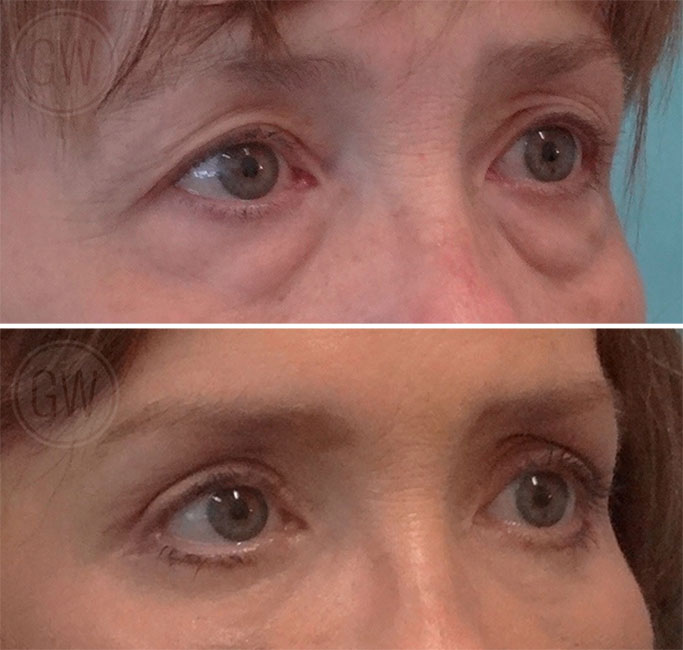
07 Jan Recovery After Upper Blepharoplasty Surgery
If you’re considering upper eyelid surgery, understanding the process of recovery after upper blepharoplasty surgery is just as important as learning about the procedure itself. At our West Perth clinic, Dr Guy Watts, Specialist Plastic & Reconstructive Surgeon, regularly sees patients across Perth and regional Western Australia who are exploring their options in relation to upper blepharoplasty.
This article is designed to guide men and women aged 20 to 70 through what recovery after upper blepharoplasty surgery typically involves. Whether you are addressing upper eyelid heaviness that interferes with vision or considering upper eyelid surgery for other reasons, the healing phase is an important part of your overall experience.
Understanding Upper Blepharoplasty
Upper blepharoplasty involves the precise removal of excess upper eyelid skin and, in some cases, a small amount of muscle or fat to change the shape of the upper eyelid crease. For some patients, this procedure addresses upper eyelid skin that can obstruct the visual field or contribute to a feeling of heaviness. For others, it may be considered as part of a broader conversation around age-related changes in the upper eyelid area.
As we age, the skin around the eyes may stretch and lose elasticity. This may lead to the upper eyelid resting lower or forming folds that extend toward the lash line. In some individuals, especially those with a family history of eyelid laxity, these changes can appear earlier. Factors such as sun exposure, genetics, and lifestyle choices all play a role. In some situations, eyelid heaviness may contribute to eye fatigue or a habitual lifting of the brows to assist vision.
Dr Guy Watts will assess your facial anatomy, skin condition, general health, and the relationship between your brows and eyelids before advising whether this procedure is appropriate. It is also important to differentiate between excess eyelid skin and brow descent, which may require a different approach. All procedures are tailored to individual clinical presentations at our West Perth clinic.
Why Recovery Matters
Although upper eyelid surgery often takes less than an hour, recovery is an important aspect of the overall process. Patients who want a broader overview of healing after eyelid procedures may also find it helpful to read our guide on Recovery After Eyelid Surgery: Postoperative Tips and Timeline for Blepharoplasty. The eyelid region is anatomically delicate and has a rich blood supply. Swelling, bruising, and sensations of tightness are expected in the early stages and may vary between individuals.
Supporting the healing process with appropriate care, including recommended exercise after eyelid surgery, can assist in reducing early symptoms and promoting gradual recovery. Planning ahead for time away from work, social engagements, and driving can also help. Patients who understand what to expect often find the experience more manageable. It is important to rest, limit eye strain, and follow the aftercare instructions provided by Dr Watts and his team in Perth.
Take our quiz, and find out if you are ready for surgery
What to Expect: Recovery Timeline After Upper Blepharoplasty
✓ Day 0 to Day 3: Immediate Post-operative Period
Swelling and bruising usually develop within the first 48 hours. Some patients experience eyelid tightness, light sensitivity, or minor irritation. Temporary blurred vision can occur due to post-operative ointments or swelling.
Cold compresses and sleeping with the head elevated are generally recommended during this stage. Patients should avoid bending forward and reduce screen time. All medications and ointments should only be used as directed.
✓ Week 1: Early Recovery
Bruising typically peaks early in the week and begins to fade by the end of the first week. Wearing sunglasses may help with comfort. If non-dissolving sutures are used, they are usually removed between days five and seven at the Perth clinic.
Most patients can resume light activity such as walking or basic household tasks, but strenuous activity should still be avoided. Returning to desk-based work may be suitable for some after one week. Driving should only be resumed when vision is clear and no sedating medications are being taken.
✓ Week 2 to Week 4: Intermediate Healing
Swelling and skin discolouration (bruising) often continue to improve. The shape of the eyelid begins to settle. Mild dryness or temporary sensitivity may occur as local nerves adjust.
At this point, eye makeup, contact lenses, and moderate screen use may be reintroduced if cleared by Dr Watts. Scar care and sun protection become important as the skin begins to recover.
✓ Month 2 Onwards: Ongoing Healing
Most visible effects of surgery tend to resolve within four weeks. However, subtle swelling and scar changes can continue for several months. Final outcomes are often observed between three and six months post-operatively.
Dr Watts may recommend silicone-based products or gentle massage to assist with scar management once appropriate. Consistent sun protection is important in Western Australia due to high UV levels.

Incisions are typically positioned within the natural eyelid crease. These may initially appear pink or slightly raised before blending with the surrounding skin. Healing varies from person to person and is influenced by individual factors and adherence to aftercare.
Factors That May Influence Recovery
Recovery outcomes can vary based on:
- Age and skin quality
- General health conditions such as thyroid eye disease, diabetes, or hypertension
- Lifestyle habits including smoking, nutrition, and rest
- Adherence to post-operative instructions
- Environmental factors such as sun exposure and air quality in Perth
Recovery may also differ if upper blepharoplasty is combined with other procedures such as a brow procedure or facial surgery. Patients sometimes ask about Medicare coverage for additional muscle procedures, like Split Muscle Surgery
DOWNLOAD DR WATTS’ GUIDE TO COST OF SURGERY
Supporting Your Recovery
Dr Watts provides detailed instructions tailored to your individual needs. Strategies that may support recovery include:
- Keeping your head elevated during rest and sleep
- Using cool compresses for the first 48 to 72 hours (avoiding direct ice contact)
- Using prescribed drops or ointments exactly as directed
- Protecting the eyes from wind, dust, and sunlight with wraparound sunglasses and a broad-brimmed hat
- Staying well hydrated and consuming a nutrient-rich diet with adequate protein and vitamins
Organising support with meals, household tasks, or childcare during the first few days can reduce unnecessary strain. Some people in Perth may take 7 to 10 days off work, while others may return earlier depending on their job type.
Avoid applying makeup, wearing contact lenses, or rubbing the eyelids until you have received clearance from Dr Watts.
Habits and Activities to Avoid During Recovery
To support the recovery process and reduce the risk of complications, avoid:
- Heavy lifting, strenuous exercise, or bending forward during the initial two weeks
- Rubbing or touching the eyelids
- Smoking or using nicotine-containing products
- Applying non-prescribed skincare or cosmetic products
- Exposing healing tissues to direct sunlight or bright environments without protection
Wearing front-opening clothing and avoiding accessories near the eye area can help reduce irritation.
Monitoring Your Recovery and When to Seek Advice
While most individuals recover without issues, certain symptoms should prompt contact with the clinic:
- Increasing redness or heat around the incision
- Discharge
- Sudden swelling or discomfort
- Visual changes or difficulty fully closing the eyes
Some individuals may temporarily notice mild difficulty in eyelid closure. Lubricating drops or ointments are often helpful, and symptoms typically improve as swelling subsides.
Upper and Lower Blepharoplasty Surgery Before and After Photos
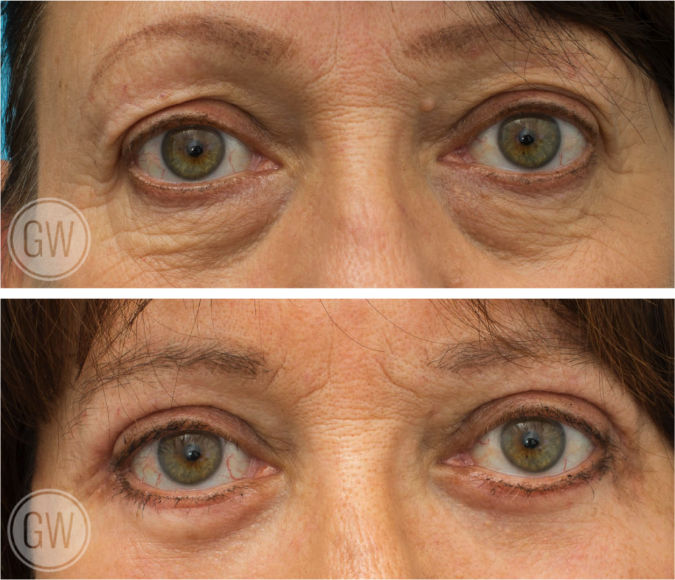
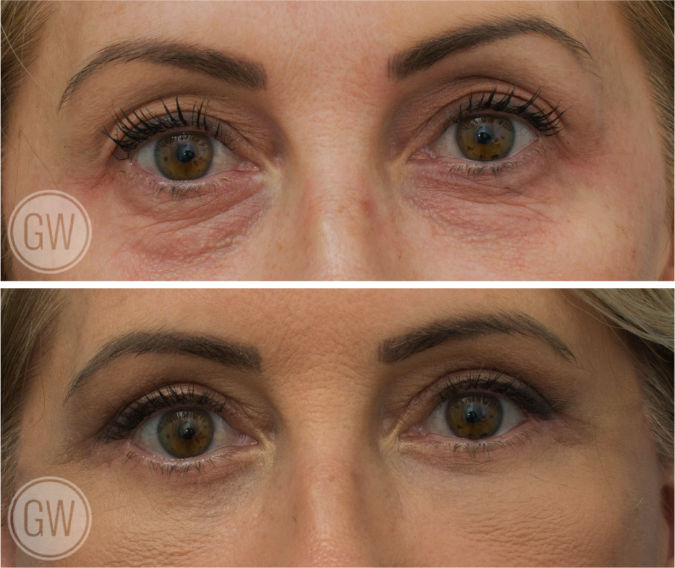
Photo disclaimer:
Each surgical procedure produces unique outcomes influenced by factors such as body composition, skin tone, laxity, age, and genetics. The before-and-after photographs displayed are of actual patients and are provided for informational purposes only.
Considering Recovery in Perth’s Climate
Perth’s high UV environment and dry conditions mean that sun protection and hydration are important considerations. Many patients coordinate surgery with quieter times in their personal or professional schedules.
Access to Dr Watts‘ West Perth clinic helps facilitate follow-up and continuity of care. Some individuals choose to schedule procedures in cooler months to reduce sun exposure and support rest.
Emotional Aspects of Recovery
Changes in routine, appearance, and physical sensation can result in a range of emotions during early recovery. This response is not uncommon. Some people find it helpful to reduce social interaction or take time away from online activity during this period.
If emotional concerns arise, Dr Watts and his team can provide appropriate support or guidance.
FAQs About Recovery After Upper Blepharoplasty
What to Discuss at Your Consultation
Planning for recovery starts during your consultation. You may wish to talk to Dr Watts about:
- Your medical background and any previous concerns with the eyelids
- Your goals and how recovery may fit with your lifestyle
- When you may be ready to resume driving, working, and other responsibilities
- What type of support might be helpful at home
- Whether any other procedures could affect your recovery timeline
Recovery planning is tailored to each individual’s health, anatomy, and circumstances.
Do’s and Don’ts for Recovery
Do:
- Sleep with your head elevated
- Wear sunglasses when outdoors
- Attend all follow-up visits at the West Perth clinic
- Follow directions for ointments and eye drops
- Rest and limit visual strain
- Maintain a clean sleep environment
Don’t:
- Smoke or use nicotine products
- Expose healing tissues to unprotected sunlight
- Rub or touch the eyelids unnecessarily
- Resume makeup or contact lenses too soon
- Return to strenuous activity without approval
- Skip post-operative reviews or make self-assessments
Considering Upper Blepharoplasty in Perth?
If you are considering upper blepharoplasty and would like to understand what recovery may involve for your situation, you can book a consultation with Dr Guy Watts, Specialist Plastic & Reconstructive Surgeon, at his clinic located at:
Clinic Address: 8 Ventnor Avenue, West Perth WA 6005
Phone: (08) 9286 1600
Website: www.drguywatts.com.au
Email: admin@guywattsplasticsurgeon.com.au
Dr Watts welcomes patients from across Perth and regional Western Australia for assessment and tailored surgical planning.
Further Reading
- Read more about Dr Guy Watts’ Procedure Eyelid Surgery – Blepharoplasty
- Read more about Dr Guy Watts’ Blog on Does It Hurt to Get the Blepharoplasty Stitches Removed?
- Read more about Dr Guy Watts’ Blog on Can Blepharoplasty Affect Your Vision?
- Read more about Dr Guy Watts’ Blog on Sunken Eyes – Causes and Options
- Read more about Dr Guy Watts’ Blog on Understanding Ptotic Or Sagging Eyelids: Causes And Treatment Options
About Dr. Guy Watts – MED0001539378
FRACS (Plas) – Specialist Plastic Surgeon In Perth WA

Dr. Guy Watts is a Specialist Plastic Surgeon (AHPRA MED0001539378) with an extensive career that spans across renowned plastic surgery clinics worldwide. His experience has been honed through invaluable experiences at esteemed establishments such as the New York Eye and Ear Infirmary and the renowned Pitanguy Clinic in Brazil.
Having collaborated with the foremost cosmetic plastic surgeons on a global scale, Dr. Watts has chosen to return to Perth after a 17-year journey of intensive training and invaluable professional experience to bring the latest practices and technology in cosmetic plastic surgery to his patients.
Dr. Watts is a Fellow of the Royal Australasian College of Surgeons (FRACS) and a Member of the Australian Society of Plastic Surgeons (ASPS), Australasian Society of Aesthetic Plastic Surgeons (ASAPS) and the International Society of Aesthetic Plastic Surgeons (ISAPS).
Read about the potential Risks and Complications of Surgery
Read the Patient Information and Resources
About CLINISPA
Clinispa is Dr Watts’ bespoke medical clinic performing Cosmetic Aesthetic treatments. At Clinispa, we offer advanced clinical treatments in a luxurious and calming environment, tailored to support your skin’s health and appearance.
Clinispa aesthetic services are performed by Dr Guy Watts’ nursing professionals, who have a passion for and solid understanding of facial aesthetics.
All Clinispa clients are considered individually, with a personalised treatment plan consisting of advanced scientific approaches to cosmetic aesthetics. We incorporate innovative technologies in conjunction with superiorly formulated skin care.
For more information about the full range of Clinispa Aesthetic of Cosmetic Treatments visit the Clinispa website
Sorry, the comment form is closed at this time.