

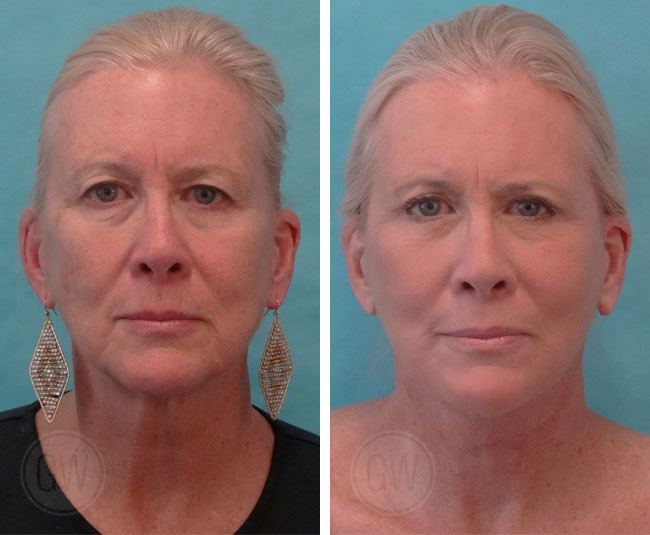
29 Jan How To Manage Face Lift Scars For Optimal Results
For many individuals in Perth and throughout Western Australia considering facial surgery, concerns about post-operative scarring can influence the decision-making process. A face lift, performed to address the natural signs of facial ageing, involves incisions that must be carefully managed to support the optimal outcome. While scarring is an expected part of the healing journey, there are practical, evidence-based steps that patients can take to help reduce their visibility over time.
Dr Guy Watts, Specialist Plastic & Reconstructive Surgeon, provides face lift procedures in his Perth clinic. With a focus on informed patient care, precision technique and realistic expectations, Dr Watts aims to support patients throughout each phase of their surgical experience, including the often-overlooked recovery and scar care period. This article explores how face lift scars form, what influences their appearance, and how to support healing effectively.
Understanding Face Lift Incisions And Scar Formation
A face lift, medically referred to as a rhytidectomy, typically involves discreet incisions placed around the ears, sometimes extending into the hairline or beneath the chin. These allow Dr Watts to adjust facial tissues and address visible signs of ageing in the mid to lower face and neck. While surgical planning aims to conceal scars along natural creases and behind anatomical structures such as the tragus or hairline, every incision will heal in its own way and may leave a visible line.
Scars develop as part of the body’s natural wound healing response. After surgery, the body initiates a series of cellular events to close the wound, rebuild tissue and restore skin integrity. The process involves inflammation, collagen formation and tissue remodelling. The final appearance of a scar depends on various factors, including the patient’s skin characteristics, the surgical approach used, and the quality of post-operative care.
What Do Face Lift Scars Typically Look Like Over Time?
In the immediate days after surgery, the incisions may appear red, raised and swollen. This is part of the normal inflammatory phase. Over the following weeks and months, scars begin to flatten, soften and lighten in colour. Most face lift scars continue to change for up to 12 months, with further subtle differences occurring for some patients beyond this period.
Initially, scars may be more visible due to their colour and texture. As they settle, they often become less noticeable, particularly when located in natural contours such as behind the ears or along the hairline. With appropriate care, many scars become fine, pale lines that are difficult to detect at conversational distance.
Take our quiz, and find out if you are ready for surgery
Factors That Influence Face Lift Scar Appearance
Several patient-specific and procedural factors influence how a scar will heal. Understanding these can help patients take proactive steps to support their recovery.
- Skin Type and Genetics: Some individuals are more likely to develop thicker or more prominent scars due to inherited traits. Those with darker skin types may also notice pigmentation changes during healing.
- Age and Skin Elasticity: Older patients tend to have thinner skin and less robust collagen production, which can contribute to scars that are more refined in appearance. However, skin fragility may require careful care.
- Incision Placement: Dr Watts takes care to place incisions in areas where they are less likely to be noticed and follows anatomical borders to help reduce scar visibility. The direction of skin tension also influences scar width and shape.
- Tissue Handling During Surgery: Surgical precision, minimal handling of tissue and layered closure techniques all support favourable healing.
- Wound Healing Conditions: Factors such as smoking, poor nutrition, diabetes or certain medications can influence how the body heals.
- Post-Operative Care: The way a patient manages their incisions following surgery can significantly influence how scars appear over time.
Immediate Post-Operative Care In Perth Clinic
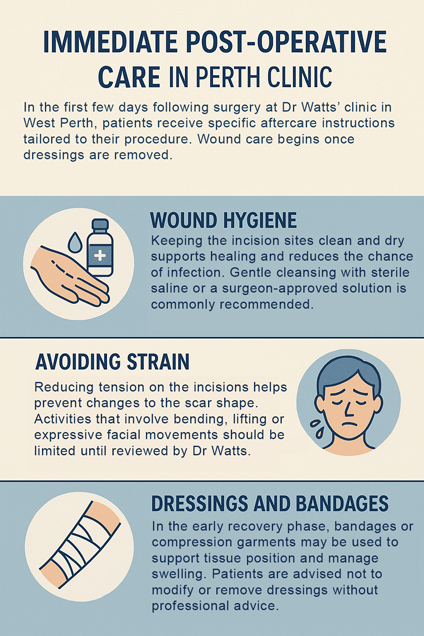
In the first few days following surgery at Dr Watts’ clinic in West Perth, patients receive specific aftercare instructions tailored to their procedure. Wound care begins once dressings are removed.
- Wound Hygiene: Keeping the incision sites clean and dry supports healing and reduces the chance of infection. Gentle cleansing with sterile saline or a surgeon-approved solution is commonly recommended.
- Avoiding Strain: Reducing tension on the incisions helps prevent changes to the scar shape. Activities that involve bending, lifting or expressive facial movements should be limited until reviewed by Dr Watts.
- Dressings and Bandages: In the early recovery phase, bandages or compression garments may be used to support tissue position and manage swelling. Patients are advised not to modify or remove dressings without professional advice.
Intermediate Healing Phase: Scar Maturation Support
Once the initial healing period has passed, generally after the first two weeks, patients can begin using strategies designed to support scar management after plastic surgery. During this time, the scar is still developing and may benefit from regular care.
- Silicone Therapy: Silicone sheets or gels are often recommended in plastic surgery recovery as they can help soften and flatten scars. These products help manage moisture and regulate collagen formation at the site of healing. Surgeon-approved products should be used consistently for best results.
- Scar Massage: Around the third or fourth week, provided the wound is closed and stable, patients may begin gentle scar massage. This can help reduce firmness and support flexibility. Dr Watts or his team will provide instructions on safe techniques.
- Sun Protection: New scar tissue is particularly sensitive to sunlight. Sun exposure can cause pigmentation changes, making the scar more noticeable. A high-SPF broad-spectrum sunscreen, along with hats or protective clothing, is strongly encouraged.
- Avoiding Irritants: Products containing fragrance, alcohol or exfoliating ingredients should not be used near healing skin. These may delay recovery or cause skin irritation.
DOWNLOAD DR WATTS’ GUIDE TO COST OF SURGERY
Long-Term Scar Management Strategies
Although scars may appear settled after a few months, internal remodelling continues for up to a year or longer. Ongoing care during this phase can help support a more refined appearance.
- Monitoring Changes: Regular review appointments with Dr Watts in West Perth allow for ongoing assessment of scar development and provide opportunities to introduce supportive therapies where appropriate.
- Camouflage Techniques: For patients who prefer to conceal early redness or contrast between the scar and surrounding skin, colour-correcting makeup may be used once the area has healed fully. Any application should be gentle and approved by the clinical team.
- Laser or Light-Based Treatments: In certain cases where a scar remains raised or uneven, referral for light-based treatment may be considered. These therapies are individualised and discussed only when healing is complete.
- Corticosteroid Injections: If a scar becomes thickened or itchy, steroid-based injections may be suggested. These are used selectively and under careful monitoring.
✓ Setting Realistic Expectations
While a measured surgical approach and attentive aftercare contribute to good outcomes, all scars heal uniquely. A scar cannot be entirely removed, but with consistent care, its appearance may become less pronounced over time. Patients often also consider how subtle and balanced their results may appear overall. Understanding whether a procedure can maintain facial harmony is an important part of planning — explore this further in Can A Face Lift Look Natural? Understanding Today’s Techniques For Facial Balance.
Redness, firmness or mild texture changes are common in the first few months. Patience is key. Some individuals may notice changes up to 18 months following their procedure. Every body heals in its own way, and expectations should be aligned with clinical advice. This extended healing period is also important when planning activities such as travel, including flying after surgery.
Dr Guy Watts spends time with each patient before surgery to explain where incisions will be placed, how scars may appear during recovery, and the types of care that support favourable outcomes. This clear communication helps patients in Perth and the surrounding region feel well-informed.
✓ Emotional Aspects Of Scar Visibility
For some individuals, even a well-healed scar can be something they remain aware of during their daily lives. It is normal to experience a range of emotions during recovery. Patients are encouraged to discuss their thoughts and concerns during review visits.
Where needed, Dr Watts may recommend speaking with a qualified professional who understands the emotional adjustment some people experience after surgery. Acknowledging the mental and emotional aspects of recovery is part of holistic care.
✓ Importance Of Individualised Care
Every patient presents with their own unique features, medical history and skin characteristics. Dr Guy Watts provides personalised care plans, including scar management advice tailored to each situation.
Whether a patient undergoes a lower face and neck lift or a procedure involving fewer incisions, the aftercare process is essential. At his West Perth clinic, Dr Watts and his team guide patients through each stage with ongoing communication and support.
✓ Patient Empowerment Through Education
When patients understand what to expect from the healing process, they are better equipped to participate in their care. Knowing what to watch for, which products to use, and how to avoid common irritants can help support a steady recovery.
Dr Watts places strong emphasis on education and clarity. Patients receive detailed instructions about wound care, scar management strategies and review timelines. This approach fosters confidence in the surgical journey without overstating outcomes.
Face Lift Surgery Before and After Photos
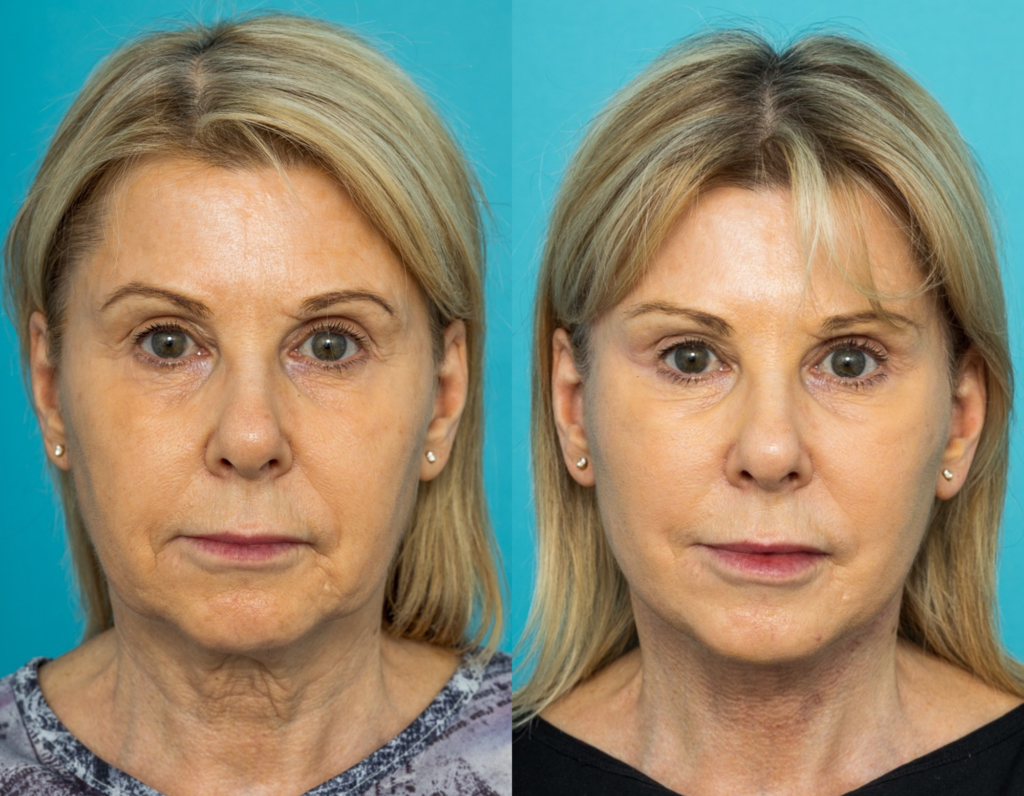
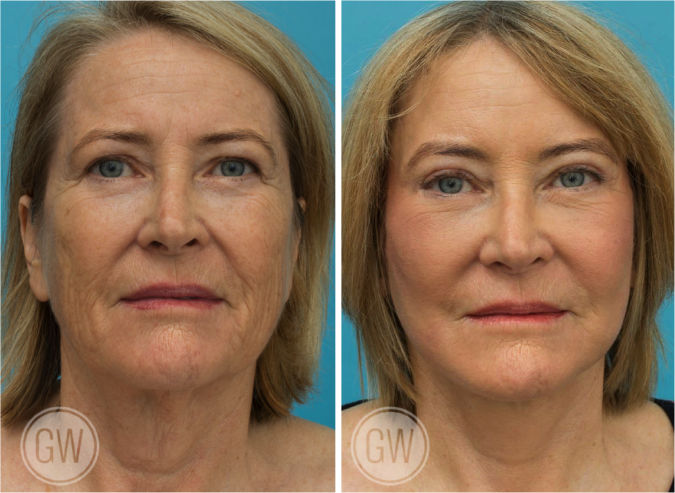
Photo disclaimer:
Each surgical procedure produces unique outcomes influenced by factors such as body composition, skin tone, laxity, age, and genetics. The before-and-after photographs displayed are of actual patients and are provided for informational purposes only.
Supporting Natural Features Through Thoughtful Care
Face lift procedures aim to address visible signs of ageing in a way that maintains the individual’s features. Supporting the body’s ability to heal and taking active steps to care for scars are part of that process.
Dr Watts combines a precise surgical approach with supportive post-operative planning. Scar visibility is managed with attention to incision placement, surgical handling, and aftercare that aligns with current best practice.
Scars may remain as part of the surgical story, but with time and care, many patients find they become less noticeable. The focus remains on health, wellbeing and individual outcomes.
FAQs About Managing Face Lift Scars
Do’s And Don’ts For Managing Face Lift Scars
Do
- Follow all post-operative care instructions provided by Dr Watts and his team
- Keep your incisions clean, dry, and protected in the early phase of healing
- Apply silicone-based products only after medical clearance
- Use broad-spectrum SPF on healing areas to prevent sun-related pigmentation changes
- Attend all scheduled follow-up appointments to track progress
- Ask questions if you’re unsure about any aspect of your scar care routine
Don’t
- Pick at scabs or peeling skin near incision sites
- Apply unapproved creams, oils, or makeup to the healing area
- Sleep on your side or stomach unless advised it is safe to do so
- Expose healing scars to direct sunlight without protection
- Ignore discomfort, redness, or swelling that persists — always seek advice
- Resume vigorous physical activity without medical clearance
Ready To Learn More?
If you are considering a face lift in Perth and would like to learn more about recovery and incision care, Dr Guy Watts and his team are available to answer your questions. With years of clinical experience in plastic and reconstructive surgery, Dr Watts provides an individualised and informative approach to patient care.
To arrange your consultation or speak with our team, please contact the clinic in West Perth.
Further Reading about Face Surgery with Perth Plastic Surgeon Dr. Guy Watts
- Read more about Dr Guy Watts’ Blog about Recovery after Facelift Surgery
- Read more about Dr Guy Watts’ Blog about When to Resume Exercising after Facelift Surgery
- Read more about Dr Guy Watts’ Blog about What is a Haemostatic Net?
- Read more about Dr Guy Watts’ Blog about 7 Tips to Reduce Bruising after Facelift Surgery
- Read more about Dr Guy Watts’ Blog about A Surgeon’s Guide To Facial Ligaments: Why They Matter In Facelifts
About Dr. Guy Watts – MED0001539378
FRACS (Plas) – Specialist Plastic Surgeon In Perth WA

Dr. Guy Watts is a Specialist Plastic Surgeon (AHPRA MED0001539378) with an extensive career that spans across renowned plastic surgery clinics worldwide. His experience has been honed through invaluable experiences at esteemed establishments such as the New York Eye and Ear Infirmary and the renowned Pitanguy Clinic in Brazil.
Having collaborated with the foremost cosmetic plastic surgeons on a global scale, Dr. Watts has chosen to return to Perth after a 17-year journey of intensive training and invaluable professional experience to bring the latest practices and technology in cosmetic plastic surgery to his patients.
Dr. Watts is a Fellow of the Royal Australasian College of Surgeons (FRACS) and a Member of the Australian Society of Plastic Surgeons (ASPS), Australasian Society of Aesthetic Plastic Surgeons (ASAPS) and the International Society of Aesthetic Plastic Surgeons (ISAPS).
Read about the potential Risks and Complications of Surgery
Read the Patient Information and Resources
About CLINISPA
Clinispa is Dr Watts’ bespoke medical clinic performing Cosmetic Aesthetic treatments. At Clinispa, we offer advanced clinical treatments in a luxurious and calming environment, tailored to support your skin’s health and appearance.
Clinispa aesthetic services are performed by Dr Guy Watts’ nursing professionals, who have a passion for and solid understanding of facial aesthetics.
All Clinispa clients are considered individually, with a personalised treatment plan consisting of advanced scientific approaches to cosmetic aesthetics. We incorporate innovative technologies in conjunction with superiorly formulated skin care.
For more information about the full range of Clinispa Aesthetic of Cosmetic Treatments visit the Clinispa website
Sorry, the comment form is closed at this time.