
16 Mar Flying After A Face Lift: What Patients Should Know
Understanding The Relationship Between Surgery Recovery And Air Travel
A face lift (rhytidectomy) is a surgical procedure involving the repositioning of facial tissues to address age-related structural changes. For individuals considering or undergoing this procedure, it is common to ask when air travel might be appropriate as part of their post-operative planning.
Dr Guy Watts, Specialist Plastic & Reconstructive Surgeon, provides guidance through his clinical experience to individuals planning surgery and recovery, including considerations around air travel. Each person’s recovery journey is unique, and the timing of travel, particularly flying, should be discussed.
Take our quiz, and find out if you are ready for surgery
What Happens During The Recovery Phase Following A Face Lift?
After a face lift surgery, healing occurs in phases. While swelling and bruising often improve within two to three weeks, internal healing continues over a longer period. Recovery timeframes can vary based on the extent of the procedure, medical history, tissue response, and adherence to post-operative instructions.
During early healing, inflammation is common, and circulation adjusts to surgical changes. The first week is often the most intensive in terms of care, where rest and wound support are prioritised. Sutures may be removed around the one-week mark, but underlying tissues continue to stabilise for several weeks beyond that. Bruising and swelling generally begin to subside in the second week, although some residual puffiness may persist for a longer period.
These physiological processes are important to consider when evaluating whether air travel is suitable in the days or weeks after surgery. While you may begin to feel physically better within a week or two, your body’s internal healing may still be in progress. It is this internal phase of recovery that often determines readiness for longer travel.
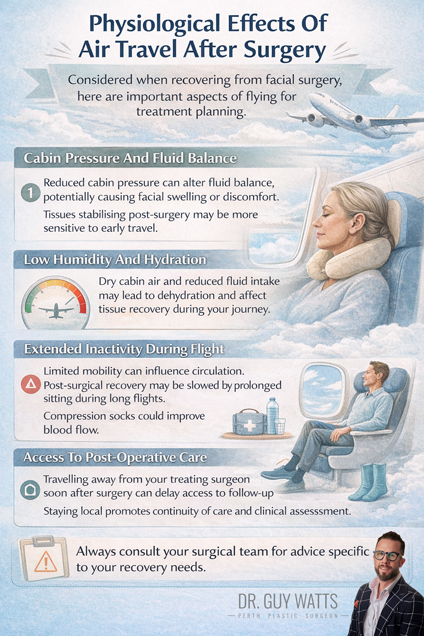
Physiological Effects Of Air Travel After Surgery
✓ Cabin Pressure And Fluid Balance
Commercial aircraft are pressurised to altitudes that may contribute to fluid shifts in the body. Individuals recovering from facial surgery may experience increased facial swelling or discomfort due to these environmental changes, especially during the early stages of recovery. Cabin pressure can place added strain on tissues that are still stabilising, making it important to approach flying with caution unless advised otherwise by your treating surgeon.
✓ Low Humidity And Hydration
Aircraft cabins typically have low humidity levels. This environment can contribute to dehydration, which may affect general circulation and soft tissue recovery. Supporting hydration is often recommended following surgery, and this becomes particularly important during travel. Dry cabin air, combined with limited fluid intake on flights, can affect how comfortable you feel and may impact your energy levels during early recovery.
✓ Extended Inactivity During Flight
Long periods of immobility during flights can influence circulation. While the primary concern is lower limb venous return, general surgical principles apply. Post-operative healing may be affected by decreased mobility, particularly if other risk factors for venous thromboembolism (VTE) are present. Even if the surgical procedure is confined to the face, the use of general anaesthesia and reduced activity levels after surgery may contribute to temporary changes in circulation.
To help manage this, movement such as short walks down the aisle, seated leg exercises, and use of compression garments (if recommended) may be considered. For longer flights, planning regular mobility breaks is often part of recovery-based travel guidance.
✓ Access To Post-Operative Care
Travelling away from your treating team may limit access to post-operative support or wound review. Remaining locally during the early recovery phase allows timely follow-up and clinical assessment, which may be important if symptoms or concerns arise. Unexpected changes in swelling, wound healing or discomfort levels are more easily assessed and managed when you remain close to your surgical team.
For patients undergoing facial surgery in Perth with Dr Guy Watts, staying in the local area in the immediate recovery period offers the advantage of continuity of care. This means that any required review appointments, wound checks, or personalised advice are available without delay.
DOWNLOAD DR GUY WATTS’ FACE AND NECK LIFT SURGERY GUIDE
What Does Current Clinical Guidance Suggest?
There is limited procedure-specific research on flying after a face lift; however, guidance from surgical and perioperative bodies can assist in planning. The Royal Australasian College of Surgeons encourages shared decision-making between patient and surgeon when planning travel post-surgery. Additionally, general recommendations from other surgical associations suggest waiting approximately 10 to 14 days before flying, depending on the individual’s progress and flight duration.
Some literature suggests longer wait periods for international or long-haul flights, particularly when recovery is still ongoing. This is to account for additional stressors on the body from prolonged cabin pressure and reduced mobility. Regardless of these general timelines, the final decision should be made in consultation with your Specialist Plastic & Reconstructive Surgeon.
These timeframes are not universal and should not replace direct clinical assessment. Clearance for air travel is based on post-operative findings and individual recovery status. For some, this may mean returning to travel plans after 10 days. For others, a longer recovery period may be necessary before flying is considered appropriate.
When May Travel Be Deferred?
Air travel may be postponed based on post-operative recovery progress or specific clinical findings. If swelling or bruising remains significant or appears to be increasing, travel may not be appropriate. Persistent or increasing swelling could be a sign that tissues require further time to stabilise or may indicate fluid accumulation.
Similarly, if wounds are not yet fully closed or if wound care is ongoing, remaining near your treating practitioner may be recommended. Early movement, including travel, may place tension on healing tissues, potentially affecting incision outcomes.
Signs of infection such as redness, warmth, discomfort, discharge from the incision site, or fever should be evaluated before any consideration of travel. General fatigue, reduced energy levels, or ongoing discomfort may also indicate that further recovery is needed. It is not uncommon for individuals to feel more tired than usual in the first few weeks following surgery due to the body’s increased demands during healing.
Additionally, if complications have occurred or are being monitored, your surgeon may recommend deferring travel until recovery is more advanced. Ensuring that your condition is stable and that no unresolved issues are present is essential before flying.
In Perth, Dr Guy Watts provides clinical follow-up to assess healing progress and determine when activities such as travel may be considered. This assessment is always individualised and based on a comprehensive review of post-operative healing.
What To Discuss With Your Surgeon About Flying
If you are planning to travel following a face lift, it is important to raise this during your post-operative consultations. Your surgeon will assess wound healing, the degree of swelling and bruising, and whether any concerns exist that could affect travel.
Discussion points may include your readiness for physical activity, potential discomfort during extended periods of sitting, and how to manage any prescribed medications while away. It may also be useful to discuss how to manage rest, hydration, and activity during the journey itself.
It is also important to discuss what to do if symptoms develop while travelling or if a follow-up appointment needs to be rescheduled. Your surgeon can provide information about warning signs to watch for and when to seek medical advice, particularly if you will be away from Perth for an extended period.
Dr Guy Watts encourages individuals to engage in open conversations during follow-up care so that recommendations are tailored to each person’s recovery status and travel plans. These consultations form a key part of recovery planning and are designed to promote informed decision-making.
Travel Considerations Once Medically Reviewed
If your surgeon has reviewed your healing and advised that travel may be suitable, there are several considerations that may support general wellbeing during your flight.
Maintaining hydration is important, particularly in low-humidity cabin environments. Drinking water regularly and avoiding alcohol or caffeinated beverages may help support fluid balance. Some people also choose to bring a refillable water bottle on board to ensure regular intake.
Standing or stretching periodically during longer flights may help support circulation. Movement helps counteract the effects of prolonged sitting and may contribute to general comfort during the flight. For some individuals, compression stockings may be recommended based on their risk profile.
It may also be advisable to avoid lifting luggage or performing tasks that could place pressure on healing tissues. Even small efforts, such as stowing carry-on bags in overhead lockers, may place tension on the neck and face during early healing.
Ensure you have access to any prescribed medications during the flight, and consider travel plans that allow adequate rest at your destination. These steps may help promote general comfort following your procedure, particularly if you are travelling during the later stages of recovery.
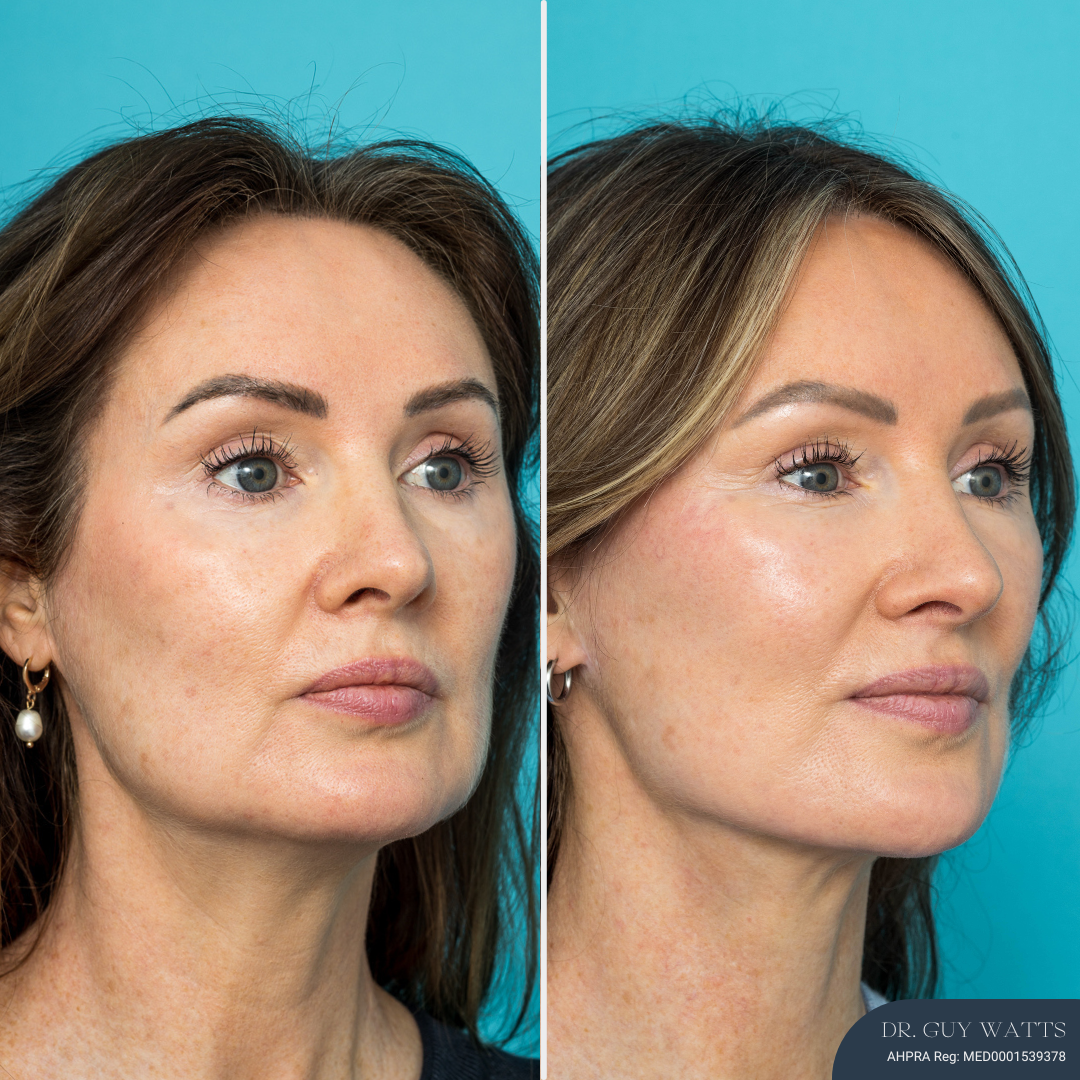
Face Lift Surgery Before and After Photos
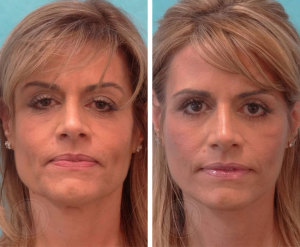
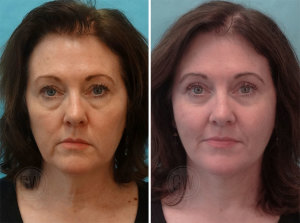
Photo disclaimer:
Each surgical procedure produces unique outcomes influenced by factors such as body composition, skin tone, laxity, age, and genetics. The before-and-after photographs displayed are of actual patients and are provided for informational purposes only.
Remaining In Perth After Your Procedure
For individuals who have travelled to Perth for their face lift procedure, remaining locally for the initial phase of recovery is often advised. This allows access to scheduled post-operative care, timely wound assessment, and direct communication with your surgical team.
Remaining in Perth also means that if any unexpected issues arise, such as delayed healing or questions about aftercare, your surgical team is nearby. Follow-up appointments are easier to attend, and adjustments to your recovery plan can be made in real time if needed.
Dr Guy Watts recommends that individuals plan to stay in Perth for at least 10 to 14 days following their procedure, where appropriate, so that recovery can be supported and monitored in person. This timeframe may be extended in cases where more complex procedures were performed or where healing requires closer monitoring.
Venous Thromboembolism (VTE) And Air Travel
Air travel after any surgery may involve a small increase in the risk of venous thromboembolism, especially in procedures involving general anaesthesia. While face lift surgery does not typically involve the lower limbs, individual health history, surgical factors, and activity levels contribute to overall VTE risk.
Prolonged periods of sitting, reduced fluid intake, and temporary changes in circulation following surgery may all contribute to this risk. Symptoms of VTE can include leg pain, swelling, or redness, and any such symptoms should be reported promptly.
If you have a personal or family history of clotting disorders, or other risk factors, this should be discussed with your surgeon before flying. Supportive strategies such as regular movement, hydration, and compression garments may be considered where appropriate. These recommendations will be tailored to your clinical history and travel plans.
Post-Operative Review And Ongoing Care
Dr Guy Watts, Specialist Plastic & Reconstructive Surgeon in Perth, provides post-operative care that includes wound assessment, activity planning, and recovery monitoring. Travel planning is discussed in the context of each person’s recovery, and recommendations reflect clinical findings and current guidelines.
Clearance for flying is based on factors such as incision healing, the presence or absence of swelling, the individual’s general health status, and the nature of the intended travel. There are no universal timelines for this decision, and it should always follow direct clinical review.
Ongoing care during recovery helps support consistent healing and addresses any concerns early. For individuals considering travel, this continuity can be particularly important.
Face Lift and Flying FAQs
Booking A Consultation
If you are considering facial surgery and have questions about the recovery period or travel planning, a consultation with Dr Guy Watts is recommended. As a Specialist Plastic & Reconstructive Surgeon based in Perth, Dr Watts offers care based on clinical training and a focused practice in facial procedures.
To arrange an appointment or learn more about surgical planning and recovery timelines, please go to the Contact Page of Dr Guy Watts.
Further Reading
- Read more about SMAS Facelift
- Read more about Deep Plane Facelift
- Read more about Eyelid Surgery – Blepharoplasty
- Read Dr Guy Watts’ Blog on Recovery after Facelift Surgery
- Read Dr Guy Watts’ Blog on How To Manage Face Lift Scars For Optimal Results
- Read Dr Guy Watts’ Blog on What Is the Difference between a Forehead Lift and Blepharoplasty?
- Read Dr Guy Watts’ Blog on When to Resume Exercising after Facelift Surgery
- Neck Lift Procedure Page
- What is a Haemostatic Net Blog
About Dr. Guy Watts – MED0001539378
FRACS (Plas) – Specialist Plastic Surgeon In Perth WA

Dr. Guy Watts is a Specialist Plastic Surgeon (AHPRA MED0001539378) with an extensive career that spans across renowned plastic surgery clinics worldwide. His experience has been honed through invaluable experiences at esteemed establishments such as the New York Eye and Ear Infirmary and the renowned Pitanguy Clinic in Brazil.
Having collaborated with the foremost cosmetic plastic surgeons on a global scale, Dr. Watts has chosen to return to Perth after a 17-year journey of intensive training and invaluable professional experience to bring the latest practices and technology in cosmetic plastic surgery to his patients.
Dr. Watts is a Fellow of the Royal Australasian College of Surgeons (FRACS) and a Member of the Australian Society of Plastic Surgeons (ASPS), Australasian Society of Aesthetic Plastic Surgeons (ASAPS) and the International Society of Aesthetic Plastic Surgeons (ISAPS).
Read about the potential Risks and Complications of Surgery
Read the Patient Information and Resources
About CLINISPA
Clinispa is Dr Watts’ bespoke medical clinic performing Cosmetic Aesthetic treatments. At Clinispa, we offer advanced clinical treatments in a luxurious and calming environment, tailored to support your skin’s health and appearance.
Clinispa aesthetic services are performed by Dr Guy Watts’ nursing professionals, who have a passion for and solid understanding of facial aesthetics.
All Clinispa clients are considered individually, with a personalised treatment plan consisting of advanced scientific approaches to cosmetic aesthetics. We incorporate innovative technologies in conjunction with superiorly formulated skin care.
For more information about the full range of Clinispa Aesthetic of Cosmetic Treatments visit the Clinispa website
Sorry, the comment form is closed at this time.