Recovery after eyelid surgery is a key part of achieving an optimal healing process, especially when it comes to returning to physical activity. While blepharoplastyis typically performed with precision and care, the post-operative period requires close attention and guidance.
In Perth, where outdoor movement and regular exercise are part of daily life for many people, questions about when and how to resume activity are common. Dr Guy Watts, Specialist Plastic & Reconstructive Surgeon based in Perth, provides post-operative guidance that considers each patient’s recovery timeline, physical comfort and surgical details before commencing exercise after eyelid surgery.
This article outlines how patients considering or recovering from blepharoplasty may return to physical activity in a way that protects healing tissue and supports a steady recovery.
What Eyelid Surgery Involves
Blepharoplasty is a surgical procedure that may involve the upper eyelids, lower eyelids or both. For the upper eyelids, excess skin that folds onto the lashes can be removed or reshaped to adjust the shape of the eyelid and, in some cases, support visual function. Lower eyelid procedures may include reducing fullness, repositioning or removing fat, or tightening the skin and muscle to achieve better tissue balance.
Dr Guy Watts performs eyelid surgery at accredited hospitals in Perth. The procedure is usually performed under local or general anaesthesia, and most patients return home the same day. Incisions are carefully placed within natural creases or inside the eyelid, which may allow them to be less visible during healing.
The eyelid area contains some of the thinnest skin on the body and is highly vascular. This means the area can bruise and swell easily, particularly during the first week. As such, post-operative care plays a central role in how the tissues settle and recover, especially when reintroducing physical movement.
Why Exercise Affects the Healing Process
Physical activity increases heart rate and blood pressure, which in turn increases circulation to the face and periorbital area. In the early stages of recovery, this can increase the risk of swelling, fluid retention or tension around the incision site.
While some individuals may feel physically ready to resume activity within a few days, the internal structures of the eyelid continue to heal for several weeks. Blood vessels, sutures and surrounding tissues remain sensitive to strain, even if surface bruising has improved. Overexertion at this stage may lead to discomfort or delay in healing.
A carefully planned and gradual return to movement is recommended. This supports tissue recovery and reduces the risk of placing pressure on the surgical site.
Take our quiz, and find out if you are ready for surgery
Timeline for Returning to Exercise After Eyelid Surgery
Each patient recovers at their own pace. At his West Perth practice, Dr Guy Watts provides recovery advice based on factors such as the type of surgery, general health, and individual lifestyle. The following guide provides general timeframes for returning to physical activity. These will be tailored to the individual during follow-up appointments.
✓ Days 0 to 3: Rest and Minimal Movement
During the first three days after surgery, rest is a priority.Swelling and bruising are generally most noticeable during this period. To assist with comfort, patients are advised to keep their head elevated at all times, including while sleeping. All formal exercise should be avoided.
Short indoor walks around the house may help promote circulation and prevent stiffness. However, activities that increase heart rate or involve lifting or bending should be avoided.
Cold compresses may assist with managing swelling during this time. Activities that strain the eyes, such as extended screen use or reading, should be limited.
✓ Days 4 to 7: Light Mobility
Some initial signs of swelling reduction may begin to appear after the fourth day. However, the eyelid tissues remain highly sensitive. Very light walking indoors or on flat outdoor surfaces may be acceptable if approved by the surgeon.
It is important not to mistake a feeling of improvement for readiness to resume exercise. The deeper tissue layers remain in the early phases of recovery. Activities involving sweating, bending forward or significant movement should still be avoided.
✓ Week 2: Gradual Outdoor Movement
If healing is proceeding as expected, patients may resume light walking outdoors. This should be limited to flat ground, shaded paths and cool times of the day. Perth’s high UV levels mean patients should wear wraparound sunglasses and a broad-brimmed hat.
Movement should remain low-intensity. Activities such as running, gym workouts, swimming, or fitness classes are not appropriate at this stage. These environments can introduce heat, bacteria or unintentional strain to the area.
✓ Weeks 3 to 4: Low-Impact Cardiovascular Activity
If the incisions have sealed and swelling is minimal, some patients may be able to resume controlled, low-impact cardiovascular activity. Appropriate forms of movement may include:
Walking on a treadmill at a slow, consistent pace
Stationary cycling in an upright position
Low-resistance elliptical use without forward bending
It is still important to avoid exercises that involve lowering the head below the heart, such as inverted yoga poses, deep stretching or high-resistance lifting.
✓ Weeks 5 to 6: Gradual Return to Structured Activity
By this stage, many patients are able to reintroduce structured physical activity in a progressive and supported way. With medical clearance, this may include:
Resistance training for the lower body
Upper body exercises that do not involve overhead movements
Yoga or pilates that avoids inverted poses
Swimming in a chlorinated pool, if healing has progressed well
Patients may also resume wearing contact lenses or applying eye makeup if there is no irritation. These decisions should be discussed at the post-operative review.
✓ Weeks 6 and Beyond: Reintroducing Full Activity
Between six and eight weeks, patients who have recovered as expected may begin returning to their regular exercise routines. This may include activities such as running, recreational sport, gym sessions or group fitness.
Exercise should continue to be increased gradually. Some minor swelling may still occur after long workouts or early in the morning. Patients are encouraged to adjust their routine based on how the body responds.
DOWNLOAD DR WATTS’ GUIDE TO COST OF SURGERY
Ultimate Guide To The Cost of Surgery
Recovery Considerations for Perth Patients
Perth’s climate and lifestyle often encourage outdoor activity, but local environmental factors must be taken into account during eyelid surgery recovery. The city’s high UV index, dry air and coastal winds may pose challenges in the early stages of healing.
Precautions that can help support comfort and recovery include:
Scheduling outdoor walks during early morning or late afternoon
Using wraparound sunglasses and a wide-brimmed hat
Staying hydrated throughout the day
Avoiding dusty environments, beaches and pools unless advised otherwise
By making adjustments based on local conditions, patients can support recovery while slowly reintroducing movement.
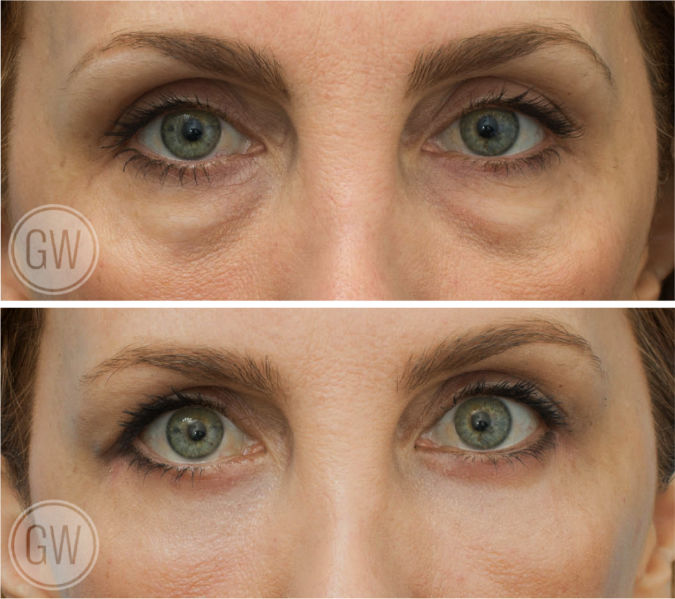
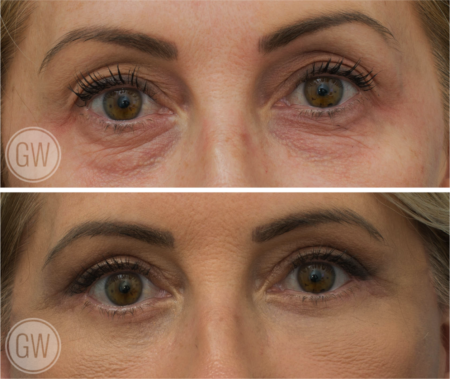
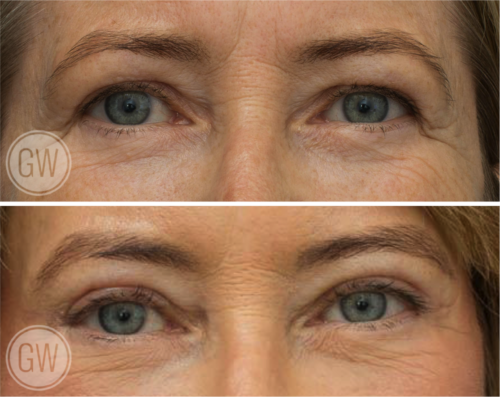
Lower Blepharoplasty Surgery Before and After Photos
Photo disclaimer: Each surgical procedure produces unique outcomes influenced by factors such as body composition, skin tone, laxity, age, and genetics. The before-and-after photographs displayed are of actual patients and are provided for informational purposes only.
Rest, Nutrition and Daily Movement During Recovery
Supporting recovery involves more than just avoiding intense physical activity. A combination of rest, nutrition and gentle movement provides the foundation for tissue healing.
Eating a nutrient-rich diet that includes protein, vegetables, whole grains and healthy fats may assist with collagen production and immune support. Maintaining hydration is also important for skin health and reducing the sensation of tightness.
Getting sufficient sleep, ideally with the head slightly elevated, can help with swelling and overall healing. Once cleared by the surgeon, low-intensity walking helps maintain circulation, which is important during periods of reduced activity.
These combined efforts assist the body’s natural healing response and contribute to a well-supported post-operative experience.
FAQs: Exercise After Eyelid Surgery
Can I wear goggles for swimming once I’m cleared to go back in the pool?
Once Dr Guy Watts confirms the incisions are fully healed, swimming may be considered. However, goggles that place pressure on the eyelids should be avoided. A looser style may be more appropriate initially.
Is it safe to walk the Bibbulmun Track or other bush trails during recovery?
Long bushwalks or hikes may introduce dust, wind exposure and elevation changes that increase heart rate. Stick to short, shaded routes until you have been cleared for outdoor activity.
Can I do light gardening while I recover?
Gardening can involve bending, lifting and environmental exposure. It is best avoided during the first two weeks, and reintroduced gradually from week three with care.
Can emotional responses impact tissue recovery during the early phase?
Tearing or rubbing the eyes may place pressure on healing tissue. If you feel emotional, use a soft cloth or cold compress and avoid touching the surgical site.
I’m a teacher. Will using a whiteboard or standing under classroom lights affect recovery?
Bright indoor lighting may cause temporary eye strain. Sunglasses outdoors and screen breaks during the day can help reduce this effect while at work.
Are fitness trackers helpful to manage exercise intensity during recovery?
Yes, tracking heart rate during walks can help avoid overexertion and keep activity levels within a safe range.
Can Perth’s windy weather interfere with healing?
Strong winds can cause dryness or irritation in the eyes. Wearing protective eyewear outdoors is recommended during early recovery.
Do ceiling fans or air conditioning affect swelling?
Cool indoor temperatures may assist with comfort, but avoid direct airflow on the face. If the air is too dry, consider a humidifier.
Can I walk my dog during recovery if they pull on the leash?
Wait until you feel stable and healed enough to manage sudden movements. Assistance with dog walking may be helpful in the early stages.
Are facial exercises or massage helpful after eyelid surgery?
These are not typically recommended unless specifically advised. Manipulating healing tissue can interfere with recovery.
Dr Guy Watts offers post-operative care that reflects current clinical standards and adapts to the needs of each patient. This may include modifying return-to-activity timelines depending on the type of surgery, observed healing and the patient’s comfort levels.
At his West Perth clinic, Dr Watts provides follow-up care with attention to healing progress and appropriate activity planning. The approach is based on medical review and each individual’s condition rather than a fixed schedule.
Considering Eyelid Surgery with Dr Guy Watts in Perth
Understanding the recovery process is an important part of preparing for eyelid surgery. This includes knowing when and how to resume movement, how to protect healing skin and what steps can support a comfortable recovery.
Dr Guy Watts provides comprehensive care throughout the surgical experience. From initial consultation to post-operative review, his practice in West Perth supports patients from across Western Australia.
Returning to movement after eyelid surgery requires planning, guidance and awareness. With clinical oversight and informed support, patients can adjust their routine to meet their recovery needs in a gradual and appropriate way.
Further Reading
Read more related Dr Guy Watt’s Blogs on the website:
About Dr. Guy Watts – MED0001539378
FRACS (Plas) – Specialist Plastic Surgeon In Perth WA
Dr. Guy Watts is a Specialist Plastic Surgeon (AHPRA MED0001539378) with an extensive career that spans across renowned plastic surgery clinics worldwide. His experience has been honed through invaluable experiences at esteemed establishments such as the New York Eye and Ear Infirmary and the renowned Pitanguy Clinic in Brazil.
Having collaborated with the foremost cosmetic plastic surgeons on a global scale, Dr. Watts has chosen to return to Perth after a 17-year journey of intensive training and invaluable professional experience to bring the latest practices and technology in cosmetic plastic surgery to his patients.
Clinispa is Dr Watts’ bespoke medical clinic performing Cosmetic Aesthetic treatments. At Clinispa, we offer advanced clinical treatments in a luxurious and calming environment, tailored to support your skin’s health and appearance.
Clinispa aesthetic services are performed by Dr Guy Watts’ nursing professionals, who have a passion for and solid understanding of facial aesthetics.
All Clinispa clients are considered individually, with a personalised treatment plan consisting of advanced scientific approaches to cosmetic aesthetics. We incorporate innovative technologies in conjunction with superiorly formulated skin care.
For more information about the full range of Clinispa Aesthetic of Cosmetic Treatments visit the Clinispa website





Sorry, the comment form is closed at this time.